How to Choose a Legal Content Writing Service for Your Agency’s Law Firm Clients

How to Choose a Legal Content Writing Service for Your Agency’s Law Firm Clients

Your law firm client just asked why ten new blog posts didn’t move a single ranking. You don’t have a clean answer, because the generalist you assigned has never read a statute or a state bar advertising rule. 

That gap is why a legal content writing service for agencies exists, and why agencies bring in a partner like Lexicon Legal Content instead of stretching a general writer past their depth. 

Here’s how to tell a real legal content partner from one that will cost you a client.

What Does a Legal Content Writing Service Do for an Agency?

A legal content writing service writes publish-ready legal content that your agency resells to law firm clients under your own brand. That’s what Lexicon Legal Content does: we write the practice-area pages, blogs, and FAQ content, and your agency keeps the strategy, the reporting, and the client relationship.

Most of this runs white-label, meaning content one company produces gets resold under another company’s brand with no writer byline attached. You send the topic and keywords, we draft and revise, and your firm client only ever sees your agency. Reselling it cleanly under your own name follows specific white-label legal content steps, from approval workflows to brand controls.

Agencies that systemize legal content for agencies stop bleeding hours into rewrites and missed deadlines. That’s the practical reason this category exists.

Why Can’t a General Content Writer Handle Legal Content?

A general writer can’t handle legal content because the stakes, the ranking rules, and the compliance exposure are all different. Google treats legal pages as YMYL, short for “Your Money or Your Life,” its label for content that can affect someone’s health, finances, safety, or legal standing. Google spells out in its helpful content guidance that it wants unique, people-first writing on these topics, not reworded summaries.

Search behavior changed the math too. For nearly every commercial legal query, AI Overviews now sit at position zero, the AI-generated answer box above the traditional results, and the old featured snippet is gone for those terms. Those answers cite sources that show real legal knowledge, not pages stuffed with keywords.

Earning a citation is its own discipline, generative engine optimization, or GEO, which means structuring content so AI answer engines pull from it. A writer who can’t explain in plain English how fault gets divided between two drivers won’t get cited.

Then there’s the part that ends client relationships: compliance. State bar advertising rules, built on the American Bar Association’s Model Rules of Professional Conduct, restrict outcome guarantees, comparisons, and any wording that implies a lawyer-client relationship.

A generalist who promises results in a blog post can expose your client to a bar complaint. That’s not a tone problem. That’s liability.

What Does a Legal Content Writing Service Cost, and What Margin Can You Keep?

Pricing runs on a wide band, and your margin lives in the spread between wholesale and retail. Treat these as benchmarks, not quotes. General white-label content can start around $0.06 per word, while premium legal posts written by people with legal backgrounds tend to run about $125 to $269 each.

The markup math is simple. Agencies commonly resell legal content at two to two-and-a-half times their wholesale cost, which lands gross margin near 50 to 60 percent. Buy a post at $120, bill it at $275, and the spread covers your strategy, reporting, and account management while still clearing solid margin.

There’s room to charge for it. Law firms spend only about 2 to 5 percent of revenue on marketing, against 10 percent or more for comparable B2B services, according to Furia Rubel’s legal marketing budget analysis. Among firms that prioritize search, SEO budgets average roughly $150,000 a year, and about 65 percent of law firm marketing now goes to digital, per Andava’s 2025 legal marketing statistics. The demand is there; the supply of writers who can do this well is not.

We don’t publish a fixed wholesale rate, because pricing depends on volume, practice area, and turnaround. Send the specifics and we’ll quote it.

In-House Writers vs. a White-Label Legal Content Service: Which Should an Agency Choose?

Choose a white-label service if you serve more than one or two firm clients across different practice areas. Choose in-house only when a single client’s volume can keep a salaried, legally trained writer busy and current on the law all year.

In-house writers give you control and a consistent voice, which matters when one firm dominates your book. The cost shows up in range: when you serve a personal injury firm in Texas, a criminal defense lawyer in Ohio, and an estate planning office in Florida, no single hire covers all three practice areas or all three states’ rules well.

You bring in a white-label content partner to absorb that spread without hiring, training, or carrying the overhead. For most multi-client agencies, that’s the faster, lower-cost path to volume.

How Do You Evaluate a Legal Content Writing Service?

Evaluate a legal content writing service on accuracy, originality, and how cleanly it fits your workflow. The strongest services route every draft through a licensed attorney before it ships. Ask for samples across formats, from law firm blog content to law firm FAQ pages, and read them the way a state bar would.

Run the candidate against this checklist:

  • Legal-background writers: the people drafting should understand how statutes, case law, and bar rules actually work, not just keyword targets.
  • Bar-rule familiarity: writers and reviewers should know the American Bar Association’s advertising restrictions and how state bars adapt them.
  • Original content per client: every piece should be written for one firm, never syndicated content, which means the same article sold and republished across multiple sites.
  • Scale without quality loss: the service should handle ten pieces a month as cleanly as two.
  • A clean workflow: clear briefs in, attorney-reviewed drafts out, predictable turnaround.
  • You keep the client: the service stays invisible, and your agency owns the relationship and the reporting.

If a service can’t show original samples for a named practice area, that’s your answer.

Frequently Asked Questions About Legal Content Writing Services

How much does legal content cost for agencies? 

Plan for premium legal posts roughly in the $125 to $269 range at wholesale, then resell at two to two-and-a-half times that. Volume, practice area, and turnaround all move the final number.

Can we resell legal content under our own brand? 

Yes. White-label work carries no writer byline, so your agency publishes it as your own and keeps the client relationship. That’s the standard arrangement for agencies reselling legal content.

Do the writers have to be lawyers? 

No, but they should have real legal background paired with attorney review. A licensed attorney checking each piece for accuracy and bar compliance matters more than every writer holding a law degree.

How fast is turnaround? 

Most legal blog posts turn around in several business days, with longer practice-area pages taking more. Steady briefs and clear keywords keep the pipeline predictable and the work moving.

See How We Measure Up Before You Commit: Lexicon Legal Content

You just read the checklist, so here’s how we measure against it. Lexicon Legal Content has been attorney-owned since 2012, more than 13 years, with leadership that holds Juris Doctor degrees. Founder and CEO David Arato, JD, studied at St. Louis University School of Law and writes on legal content for Attorney at Work and Attorney at Law Magazine. Co-owner Erin Fitzgerald, Esq. is admitted to the bar in both Missouri and Illinois.

Every piece we deliver is reviewed by a licensed attorney before it reaches you. Agency partners back the work too, including Rankings.io and its founder Chris Dreyer. There’s no contract to sign and no minimum to meet.

The clearest way to judge us is to read our work: request a free sample of 500 words, call us at 1-877-486-8123, or send the details through our contact form. Hand us a topic and a practice area, and see whether the draft earns the resale.


David Arato, JDs headshot

David Arato, JD, is the founder of Lexicon Legal Content, an attorney-owned legal content marketing agency serving law firms since 2012. He has spent over a decade on both sides of the outsourcing decision, helping marketing agencies pick a legal content writing service they can resell under their own brand and showing law firms what earns AI citations under YMYL scrutiny instead of getting skipped. David is a frequent contributor to Attorney at Law Magazine and Attorney at Work and a recurring guest on legal marketing podcasts.


The Benefits of FAQ Pages for Law Firms

Law firm marketing is highly competitive, and firms are constantly trying to find effective ways to engage potential clients, establish credibility, and improve their online presence. One of the most effective ways to achieving these goals is a well-structured Law Firm FAQ Page.

An FAQ page serves as a valuable resource for potential clients by providing clear and concise answers to common legal questions. Often, the questions that FAQ pages answer directly match the potential clients’ Google queries, making them a valuabel SEO tool for long-tail keywords. Whether visitors are looking for guidance on personal injury claims, criminal defense, estate planning, or family law matters, a well-designed FAQ page can help them find the information they need quickly.

Beyond serving as an educational tool, FAQ pages also improve website performance, enhance client trust, and contribute to lead generation. With so many benefits, an FAQ page is an essential part of your legal website. If you don’t have one yet, the legal professionals at Lexicon Legal Content can create one specific to your practice area and firm.

Enhancing User Experience and Client Engagement

An FAQ page demonstrates your firm’s knowledge and commitment to helping potential clients and increasing their trust and engagement with your website.

One of the major benefits of an FAQ page is that it improves user experience by providing visitors with immediate answers to their questions. Many people searching for legal assistance have urgent concerns, and an FAQ page allows them to find the information they are looking for at any time without the need to call or email. It also encourages visitors to explore the firm’s services and blog content further.

Establishing Authority and Credibility

A well-crafted FAQ page positions your law firm as an authority in your practice areas. By providing accurate and insightful answers, you showcase your firm’s expertise, which helps potential clients feel confident in your ability to handle their legal matters. By addressing common legal concerns in an easy-to-understand format, your firm becomes a go-to resource for those seeking legal advice, ultimately increasing conversions and client inquiries.

Improving Search Engine Optimization (SEO) Rankings

Law Firm FAQ Pages
SEO text on desktop, flat lay. Top view copy space

An optimized FAQ page is an SEO powerhouse that can drive more organic traffic to your law firm’s website. Search engines prioritize websites that provide valuable, well-structured content, and FAQ pages are ideal for this purpose.

The SEO benefits of an FAQ page for your law firm include:

  • Increased keyword rankings by incorporating common legal search terms
  • Targeted long-tail keywords to improve your visibility in voice search queries
  • Enhanced website dwell time as visitors spend more time reading your answers
  • Improved click-through rates when appearing in Google’s featured snippets
  • Structured schema markup, helping search engines understand your content better

For example, if a potential client searches for “What should I do after a car accident in Florida?” and your FAQ page answers that question, your website has a higher chance of appearing in search results, bringing in qualified traffic.

Positioning Your Firm for AI Overviews (AIO)

Google’s AI Overviews (formerly known as Search Generative Experience or SGE) are transforming how potential clients find legal information. These AI-generated summaries appear at the top of search results, providing direct answers to queries while citing authoritative sources. For law firms, this represents both a challenge and an opportunity.

FAQ pages are uniquely positioned to succeed in this AI-driven search landscape. The question-and-answer format aligns perfectly with how AI systems parse and present information. When your FAQ page provides clear, authoritative answers to common legal questions, Google’s AI is more likely to cite your firm as a trusted source in its overviews. This citation not only builds credibility but also drives qualified traffic, as users who see your firm validated by Google’s AI are more likely to click through to learn more.

The key difference between traditional SEO and optimizing for AI Overviews is directness. AI systems favor content that answers questions concisely and authoritatively without fluff or excessive marketing language. A well-structured FAQ page delivers exactly this—straightforward answers that establish expertise while being digestible for both AI systems and human readers. As AI Overviews become more prevalent in search results, law firms with optimized FAQ pages will have a significant competitive advantage in capturing potential client attention.

Reducing Unnecessary Client Calls and Emails

Law firms often receive repetitive inquiries from potential and existing clients, which can take up valuable time. By addressing common questions upfront, an organized FAQ page can significantly reduce the volume of poor quality calls and emails.

An FAQ page on your law firm’s website is a time-saver because it:

  • Answers frequently asked questions before a potential client contacts you
  • Reduces the number of basic inquiries, allowing staff to focus on higher-priority cases
  • Helps visitors determine if your firm is the right fit for their legal needs

By handling preliminary client concerns through an FAQ page, attorneys and staff can focus on casework and consultations, improving overall efficiency. Your FAQ page benefits not only future clients but also current clients.

Enhancing Website Navigation and Accessibility

A well-structured FAQ page improves website usability by guiding visitors to the right information quickly. Many potential clients are unfamiliar with legal processes and may feel overwhelmed when searching for answers. When you place common legal questions in an easy-to-read format, your visitors can quickly scan and find relevant answers. You can also provide links to related practice areas, blog posts, or consultation forms within your FAQ. 

For example, a personal injury law firm can include FAQ sections like:

  • What should I do immediately after an accident?
  • How do I find the best DUI defense lawyer near me?
  • How long do I have to file a personal injury claim in Arizona?
  • What types of damages can I recover?
  • How much is my claim worth?

Each question can link to a related blog post or service page, enhancing the user experience while increasing website engagement.

Generating More Leads and Conversions

FAQ pages are excellent lead-generation tools that help convert website visitors into paying clients. Many people hesitate to contact an attorney because they are unsure if they need legal help. Visitors can determine if they should contact an attorney by reading the FAQ page. A comprehensive FAQ page can provide clarity and encourage them to take action. By strategically placing CTAs such as “Need Legal Help? Contact Us for a Free Consultation”, an FAQ page can increase inquiries that are more likely to turn into clients.

Supporting Content Marketing Efforts

Many law firms make the mistake of assuming that if they have blog posts, videos, and social media content, they don’t need an FAQ page. However, an FAQ page can be a cornerstone of your content marketing strategy, providing a foundation for your other content marketing efforts.

Your FAQ page can help you expand on key topics, as each FAQ answer can be turned into a detailed blog post. It also encourages engagement on social media since you can repurpose each FAQ as short videos, infographics, or Q&A posts. In addition, FAQ pages help distribute traffic to other important pages on your website.

Keeping Clients Informed with Law Firm FAQ Pages

Since laws frequently change, your FAQ page provides an opportunity to keep clients informed about important updates in personal injury, criminal defense, employment law, and other areas.

FAQ pages keep clients updated by:

  • Providing current legal information in a simplified format
  • Helping potential clients understand how new laws impact their cases
  • Encouraging return visits to the website as new questions and answers are added

For example, if new bankruptcy laws affect how Utah residents can file, a law firm can update its FAQ page with the latest information, keeping potential clients informed.

Why Every Law Firm Needs an FAQ Page (or Pages)

An FAQ page is more than just a helpful resource—it’s a powerful marketing tool that enhances user experience, improves SEO rankings, builds trust, and increases client conversions. By providing clear, accurate answers to common legal questions, a law firm can attract more visitors, reduce unnecessary inquiries, and establish itself as a legal authority.

If your law firm doesn’t have an FAQ page, now is the time to add one. It can set your firm apart from competitors, boost online visibility, and ultimately bring in more clients.

FAQ about Law Firm FAQ Pages (How Meta is That?)

What is a law firm FAQ page?

A law firm FAQ page is a dedicated section of your website that provides clear, concise answers to common legal questions potential clients ask. It addresses typical concerns about legal processes, timelines, costs, and services specific to your practice areas, helping visitors find information quickly without needing to call or email first.

How does an FAQ page improve my law firm’s SEO?

An FAQ page boosts SEO by incorporating long-tail keywords and common search terms that match what potential clients type into Google. When your FAQ answers questions like “What should I do after a car accident in Florida?” you increase your chances of appearing in search results, featured snippets, and voice search queries. The structured content also keeps visitors on your site longer, which search engines reward with higher rankings.

Will an FAQ page really reduce client calls and emails?

Yes. By answering repetitive questions upfront, an FAQ page filters out basic inquiries so your staff can focus on higher-priority cases and consultations. Potential clients can self-screen whether your firm is the right fit for their needs, meaning the calls and emails you do receive are more likely to be from qualified leads ready to move forward.

What types of questions should I include on my law firm’s FAQ page?

Focus on questions you hear repeatedly from clients and prospects. These typically include process questions (How long does a personal injury claim take?), cost concerns (How much will hiring an attorney cost?), qualification questions (Do I have a case?), and next steps (What should I do immediately after an accident?). Tailor questions to your specific practice areas and local jurisdiction.

How often should I update my FAQ page?

Update your FAQ page whenever laws change that affect your practice areas, when you notice new questions coming up repeatedly in client consultations, or when you expand your services. At minimum, review your FAQ page quarterly to ensure all information remains accurate and relevant. Fresh content also signals to search engines that your site is actively maintained.

Can I have multiple FAQ pages for different practice areas?

Absolutely. Many law firms benefit from having both a general FAQ page and practice-area-specific FAQ pages. For example, you might have separate FAQ sections for personal injury, criminal defense, estate planning, and family law. This allows you to provide more detailed, targeted information while improving SEO for specific practice areas.

How do I turn my FAQ page into a lead generation tool?

Include strategic calls-to-action (CTAs) after answers, such as “Need legal help with your case? Contact us for a free consultation.” Link FAQ answers to related blog posts, practice area pages, and contact forms. Make it easy for visitors who find their answer to take the next step toward hiring your firm.

Do I need an FAQ page if I already have blog posts and videos?

Yes. An FAQ page serves a different purpose than blog content. While blogs provide in-depth analysis and thought leadership, FAQ pages offer quick, scannable answers for people with immediate questions. In fact, your FAQ page can complement your content marketing by providing topics to expand into full blog posts and serving as a hub that distributes traffic to other content.

What’s the difference between an FAQ page and a blog post?

FAQ pages provide brief, direct answers to specific questions in a Q&A format that’s easy to scan. Blog posts offer detailed analysis, storytelling, and comprehensive exploration of topics. FAQ answers might be 2-3 paragraphs, while blog posts are typically 800-2,000+ words. Both serve important but distinct roles in your content strategy.

How do FAQ pages help with AI Overviews (AIO) in search results?

AI Overviews (formerly SGE) are Google’s AI-generated summaries that appear at the top of search results. FAQ pages are perfectly positioned to be cited in these overviews because they provide direct, authoritative answers to specific questions. When your FAQ page clearly answers common legal questions with well-structured content, Google’s AI is more likely to pull from your page as a source, giving your firm visibility even before traditional search results. The Q&A format aligns naturally with how AI systems parse and present information.

Will AI Overviews hurt my law firm’s website traffic?

Not if you optimize correctly. While AI Overviews can answer questions directly in search results, they also cite sources and link to authoritative websites. A well-optimized FAQ page increases your chances of being cited as a trusted source, which can actually drive qualified traffic to your site. Users who see your firm cited in AI Overviews are more likely to click through because you’ve already been validated as an authority. Plus, many legal questions require nuanced answers that go beyond what an AI Overview can provide, making the click-through to your full content essential.

How can Lexicon Legal Content help with my FAQ page for My Law Firm?

Lexicon Legal Content specializes in creating FAQ pages tailored to your specific practice areas and firm. Our legal content specialists understand what questions potential clients ask, how to optimize answers for SEO and AIO, and how to structure FAQ pages that drive traffic and conversions. We handle the research, writing, and optimization so you can focus on practicing law.

Interested in Law Firm FAQ Pages to Drive More Traffic? Contact Lexicon Legal Content

Are you ready to improve your law firm’s digital presence with an FAQ page? Contact Lexicon Legal Content today. We will create an FAQ page that answers your clients’ most pressing legal questions and helps you meet your marketing goals. Our legal content specialists understand the importance of law firm FAQ pages and will leverage yours so that you can maximize its benefits.

SEO for Law Firms: How to Rank Higher in Search Results

In today’s digital age, the first place most people with legal problems go for help is a search engine such as Google or Bing. For lawyers and law firms, appearing at the top of search results can significantly increase visibility, attract potential clients, and grow the business.

Search Engine Optimization (SEO) is a powerful tool that, when leveraged correctly, can help law firms achieve higher rankings in search results. Law firms need to understand the power of SEO and take on actionable strategies to rank higher in search results in order to stay afloat in such a competitive legal market.

Read on to learn more about how SEO can help law firms grow and connect with new clients.

Understanding SEO Basics

SEO is the process of optimizing your website to improve its visibility on search engines. It involves various techniques, strategies, and practices designed to enhance the quantity and increase the quality of traffic to your website through organic search results.

The goal of SEO is to make your website more attractive to search engines, which in turn helps it rank higher for relevant search queries. When your website ranks higher, it will be more visible to your desired audience of potential clients. Robust SEO strategies are necessary to attract potential clients online.

What are the Key Components of SEO?

SEO is often divided into several sub-areas that focus on different aspects of website optimization. Some of these sub-areas include the following:

On-Page SEO

Optimizing individual web pages to rank higher and earn more relevant traffic. Keyword optimization, meta tags, content quality, internal linking, and user experience all contribute to on-page SEO.

Off-Page SEO

Actions taken outside your website to impact your rankings within search engine results pages (SERPs). Building backlinks from other reputable websites, social media marketing, and influencer outreach all impact your off-page SEO

Technical SEO

Optimizing the technical aspects of your website to ensure that search engines can crawl and index it effectively. Improving site speed, mobile-friendliness, site architecture, and schema markup all improve technical SEO.

Local SEO

For most law firms, local SEO is crucial. Why? Because most of the clients you want to draw are local. Local SEO involves improving your online presence to attract more business from relevant local searches. It includes claiming and optimizing your Google My Business listing, getting reviews, and ensuring your name, address, and phone number (NAP) are consistent across all platforms.

The Importance of SEO for Law Firms

When it comes to marketing, law is an incredibility competitive field, with hundreds of firms competing for cases. AS more and more consumers look to the internet when searching for professional services, it’s critical for law firms to make sure that their potential clients can find them online.

SEO offers numerous benefits for law firms, including:

  • Increased Visibility – Higher rankings in search results lead to increased visibility, making it easier for potential clients to find your law firm.
  • More Traffic – Optimized websites attract more organic traffic, which can translate into more inquiries and consultations.
  • Credibility and Trust – Websites that appear at the top of search results are often perceived as more credible and trustworthy. Effective SEO can enhance your firm’s reputation and authority.
  • Cost-Effective Marketing – SEO is a cost-effective marketing strategy – especially when compared to paid advertising. While it requires an investment of time and resources, the long-term benefits can be substantial.
  • A Competitive Advantage – A strong SEO strategy can give your law firm a competitive edge over others in your area who may not be investing in SEO.

Actionable SEO Strategies for Law Firms

How can law firms start “doing’ SEO? Here are some actionable tips to begin optimizing your law firms’ website:

1.     Keyword Research

Keyword research is the foundation of any successful SEO strategy. It involves identifying the search terms that potential clients use to find legal services.

Steps for Effective Keyword Research:

  • Brainstorm Potential Keywords: Start by brainstorming a list of keywords related to your practice areas and services. Don’t overthink this part, as these can be extremely simple.
  • Use Keyword Research Tools: Utilize tools like Google Keyword Planner, Ahrefs, SEMrush, or Moz to find relevant keywords with good search volume and low competition.
  • Analyze Competitors: Look at the keywords that your competitors are ranking for to identify potential opportunities.
  • Identify Long-Tail Keywords: Focus on long-tail keywords (phrases with three or more words) that are more specific and have less competition. For example, instead of “divorce lawyer,” use “best divorce lawyer in Dallas.”

2.     Optimize the Technical Aspects of Your Website

On-page SEO involves optimizing various elements of your website to improve its visibility and relevance. This involves ensuring that your title tags describe your website and contain relevant keywords. Additionally, you should make sure that each page has a meta description that describes the page and encourages people to click on the link.

You should also make your site easy to navigate by connecting related pages with internal links. This helps both users and search engines navigate your site. Finally, make sure that your site is mobile-friendly – meaning that it displays differently on mobile devices like smartphones. This last step is extremely important, as more than half of all searches occur on mobile devices these days.

3.     Build High-Quality Backlinks

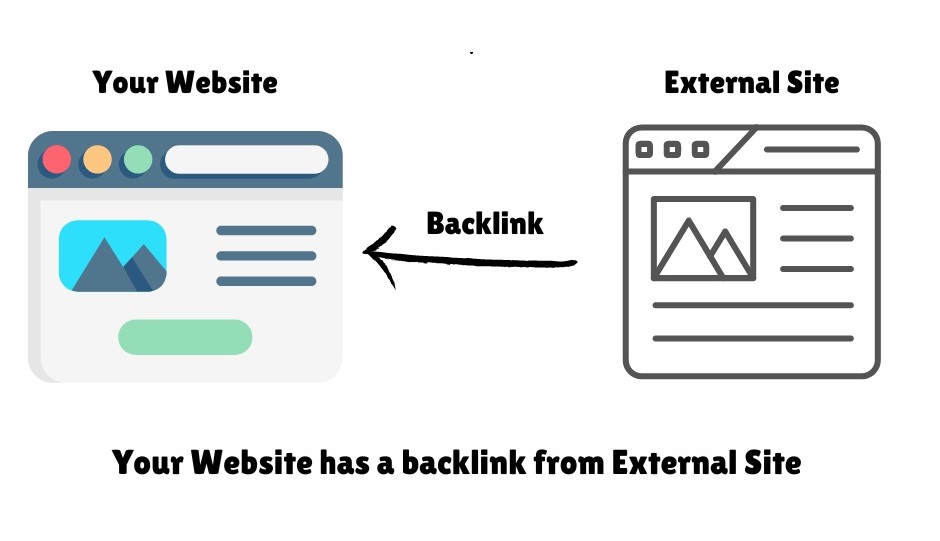
Backlinks (links from other websites to your site) are a crucial factor in SEO. They signal to search engines that your content is valuable and authoritative. Think of them as a “vote” for your website. In addition, be aware that these votes are not all equal. For example, a backlink from Forbes is more valuable than a backlink from a shady or spammy site.

You may be thinking “how can I get people to link to my law firm’s site?” Fair question. Here are some strategies that can earn you backlinks:

  • Guest Blogging – Write guest posts for reputable legal blogs or websites. Include links back to your site in your author bio or within the content.
  • Legal Directories – Get listed in reputable legal directories and associations relevant to your practice area.
  • Write Great Content – Create valuable content, such as blog posts, infographics, or whitepapers, that others will want to link to.
  • Networking – Build relationships with other legal professionals, journalists, and bloggers who might link to your content.
  • Press Releases: Distribute press releases for significant events, such as awards or new hires, to gain media coverage and backlinks.

4.     Focus on Local SEO

For law firms, local SEO is essential to attract clients in your geographic area.

Local SEO Strategies:

  • Google My Business: Claim and optimize your Google My Business listing. Ensure your name, address, and phone number (NAP) are accurate and consistent.
  • Local Citations: Get listed in local directories and legal-specific directories with consistent NAP information.
  • Reviews: Encourage satisfied clients to leave positive reviews on Google, Yelp, and other review platforms.
  • Local Keywords: Include local keywords in your content, title tags, and meta descriptions. For example, use “personal injury lawyer in St. Paul” instead of just “personal injury lawyer.”
  • Local Content: Create content relevant to your local area, such as blog posts about local legal issues or news.

5.     Optimize for Technical SEO

Technical SEO ensures that your website is easily crawlable and indexable by search engines.

Let’s dive into some essential technical SEO best practices that can significantly boost your website’s performance. First up is site speed – a crucial factor in user experience and search engine rankings.

To get those pages loading quickly, focus on optimizing your images, leveraging a content delivery network (CDN), and streamlining your code. Next, don’t forget about your mobile visitors! Ensure your site is responsive and offers a smooth experience on smaller screens.

To help search engines understand your site structure, create and submit an XML sitemap – it’s like giving them a roadmap to your content. Speaking of search engines, use a robots.txt file to guide them on which pages to crawl and which to skip. Lastly, secure your site with an SSL certificate. Not only does this protect your users’ data, but it also gives you a nice bump in search rankings. By implementing these technical SEO practices, you’ll be well on your way to improving your site’s visibility and user experience.

6.     Create High-Quality Content

Above all else, remember that content is king in SEO. Regularly publishing high-quality content can help you attract and retain visitors, build authority, and improve rankings. You can create content is a variety of formats, all of which can improve your site’s rankings for relevant search terms. Some of the formats you should explore include:

7.     Monitor and Analyze Performance

When it comes to SEO, you can’t simply fix it and forget it – especially in a competitive field like law. SEO is an ongoing process, and you need to regularly check your rankings and take steps to improve or maintain them. There are various free tools you can use to monitor you’re your site’s performance, including Google Analytics and Google Search Console.  In addition, you can take a deeper dive and get actionable advice using paid tools like Ahrefs, SEMrush, or Moz.

Contact Lexicon Legal Content for Your Law Firm SEO Content Needs

It can often be challenging for lawyers and law firms to keep up with the demanding and ever-changing needs of SEO when it comes to website content. If you need help in this area or don’t have the time to keep up with it yourself, we offer solutions. Our experienced attorney-led legal content writers have what it takes to produce high-quality SEO content. To learn more about our SEO content services, call our office or send us an email today.

Google Update Impacts Legal Content Marketing

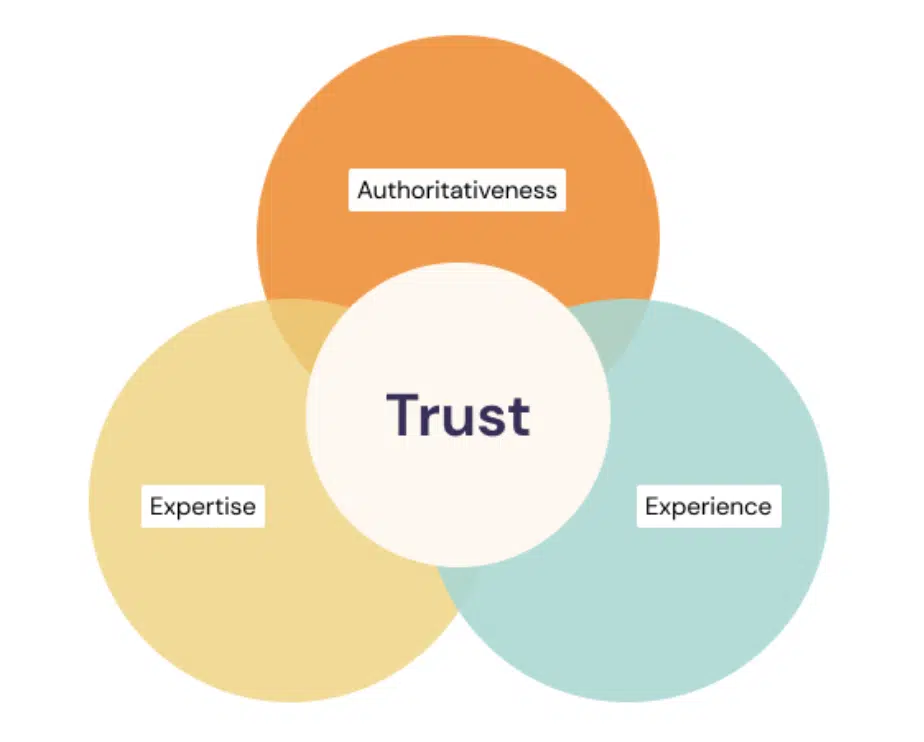
Google recently updated its Search Quality Rater Guidelines, which will likely impact your law firm’s content marketing strategies. These guidelines help raters assess page quality. The focus is now on E-A-T (Expertise, Authority, Trustworthiness). Your law firm’s website must demonstrate these qualities in its content.

In 2024, Google added “experience” to E-A-T, reacting to AI-generated content like ChatGPT. For legal content and SEO, staying updated and collaborating with an SEO-savvy legal content provider who understands E-A-T and YMYL is crucial. Working with professionals pays off.

Google Update Impacts

The Shift in Direction

Google has shifted focus from YMYL topics like News, current events, Civics, government, and Law to assessing specific content categories for potential harm. According to the quality rater guidelines, content gets labeled YMYL when it poses a high risk of causing damage to readers or others affected. Pages are classified as YMYL if they could significantly impact health, safety, or financial stability due to dangerous topics or unreliable information. Law firm websites must have high-quality content to avoid search engine penalties, as well-written YMYL pages have better chances of ranking well.

EAT, YMYL, and Lawyers

When it comes to legal content, it’s not a stretch to say that inaccurate information can prove harmful to readers and society at large, which makes focusing your efforts on Google’s updated guidelines paramount for law firms and other companies in the legal services space. To begin, the information you share can be actionable, which means it has the potential to guide readers’ behaviors and, thus, has the ability to do harm or cause significant impact – if the content is not carefully considered, accurate, and clearly written.  

Google advises that – even when minor inaccuracies could lead to harm – YMYL is likely applicable. Further, if the topic isn’t one that most people would be comfortable seeking guidance from friends or family, it’s more likely to fall into the YMYL categories. Legal content very likely checks both of these boxes. Finally, the more closely your content identifies with YMYL, which is gauged on a spectrum, the more important E-A-T becomes. 

A High-Quality Focus on E-A-T

Google considers a variety of factors when it determines the quality of the content of a page:

  • The topic and purpose of the page guide the necessary level of E-A-T, amount and quality of main content (MC), and level of information about the MC’s creators. When it comes to YMYL topics, a higher standard for all three is required. 
  • Some factors that can make a page low quality – regardless of its purpose or topic – include having a mixed or mildly negative reputation regarding the website or the content creator or having a shocking or otherwise exaggerated title. 
  • Any type of website can have pages that are identified as low quality, including government and academic websites, and low-quality pages can be about virtually any topic. 

The pages on YMYL topics require more careful scrutiny in terms of factors that are indicative of low quality, and it’s important to note that even one low-quality attribute can push an entire page into a low-quality rating.

The Topic and the Purpose of the Page

The necessary level of E-A-T, as defined by Google, is driven by the page’s topic and purpose. Whatever kind of law you practice, your pages are almost certainly intended to inform readers about important legal matters that could lead to significant actions and profound effects. As such, the very topics of your pages – because the information has the potential to cause harm – are likely to place them squarely in the exacting sights of quality raters, who are required to evaluate the topic when determining page quality. 

A Lack of E-A-T

Google has tweaked its definition of what it means when a page lacks the necessary E-A-T to bypass a low-quality finding by adding a bullet point that states the following – Informational [main content] on YMYL topics is mildly inaccurate or misleading.

Other common examples of pages that are ranked as low quality due to a lack of necessary E-A-T include:

  • The MC’s creator doesn’t have the necessary expertise in the topic at hand
  • The site – although it may be authoritative – is not an authoritative source for the topic at hand (a legal website that offers medical advice, for example). 
  • The MC itself does not inspire trust.

While some pages need no formal expertise to write, it’s critical for the purposes of YMYL topics, which makes it critical for your law firm’s website content. The idea is to highlight the level of legal experience, insight, and skill you have achieved and to ensure that this colors your content. If a page you publish lacks the E-A-T necessary to support its purpose, which is to inform readers on a topic that has the potential to have a significant impact, other factors, such as reputation, cannot save the page from a low rating.  

Do No Harm

Google’s quality raters are trained to recognize that even the most authoritative and generally helpful websites can include pages with harmful MC that are deserving of the lowest ratings. As such, they are called to carefully evaluate each page in terms of its own merits and challenges. Before moving on to any other page quality characteristics, quality raters are required to first check for the following:

  • Untrustworthiness
  • Deception
  • Spam
  • Harmfulness

In its quest to update and upgrade search quality ratings, Google also put out a clear overview of the process involved in the search quality evaluator guidelines. As a provider of legal information, providing informative, well-constructed, compelling YMYL pages is key, which makes focusing on the expertise, authoritativeness, and trustworthiness of the legal content at hand instrumental to offering readers the information they are looking for while remaining in Google’s good graces.

FAQs

What is E-A-T, and why is it essential for legal content?

E-A-T stands for Expertise, Authority, and Trustworthiness. Google uses these factors to judge the quality and reliability of information. It’s important because it can impact readers’ lives, finances, or safety.

How can a law firm demonstrate expertise in its content?

Law firms demonstrate expertise by providing detailed legal knowledge, case studies, and practical legal advice highlighting their attorneys’ qualifications and experience.

What gives legal content authority?

Legal content gains authority through credentials like memberships in legal associations, awards, recognitions, and years of experience. This assures readers that the information comes from a credible source.

How can trust in legal content be maintained?

Trust in legal content is maintained by ensuring accuracy, transparency, and reliability. Avoid sensationalized or misleading information, clearly cite sources, and present balanced and factual information.

Why is YMYL (Your Money or Your Life) important in legal content?

YMYL topics, including legal matters, can significantly impact a person’s finances, health, or safety. To protect users, Google requires such content to be accurate, trustworthy, and high-quality.

What pitfalls should be avoided in legal content marketing?

Avoid providing inaccurate or outdated information, lacking precise citations or sources, using overly promotional language, and neglecting to update content regularly to meet current standards.

Final Word

Law firms must create high-quality legal content that adheres to Google’s E-A-T guidelines. Focusing on expertise, authority, and trustworthiness can enhance their online visibility and establish them as dependable sources of legal information.

Mastering Law Firm Content Writing: A Guide to Crafting Engaging Legal Content

In the competitive world of marketing legal services, content writing plays a pivotal role in drawing in clients and establishing a firm’s authority. Below, we’ll guide delve into law firm content marketing techniques, offering insights and strategies to create impactful content that resonates with your audience.

The Importance of Law Firm Content Writing

Content writing for law firms is not just about filling up web pages; it’s an essential part of your marketing strategy. Compelling content can educate clients, build trust, and position your firm as an industry leader. But crafting content that speaks to potential clients while reflecting your firm’s expertise is no small feat.

Understanding Your Audience

Understanding your audience is essential before you start writing. Your clients are looking for reliable information that can help them make informed decisions. They might be stressed, confused, and seeking clarity about their legal issues. Your content should address these feelings directly, offering solutions and reassurance.

Topics That Matter

Choose topics relevant to your practice areas and your clients’ needs. Common content topics for law firms include:

  • Legal process explanations
  • Changes in law
  • Case studies
  • Frequently asked questions
  • Legal advice for specific situations

Each piece of content should be crafted with the intent to inform, engage, and guide your readers through their legal journey.

Crafting the Perfect Article

When writing an article for your law firm, consider these elements to enhance its effectiveness:

  • Title: The title should be catchy yet informative. Include keywords like law firm content writing to improve SEO and attract more readers.
  • Introduction: Set the tone of the article and briefly outline what the reader can expect to learn.
  • Body: Use clear, concise sentences. Break down complex legal concepts into digestible parts. Use Employ bullet points, headings, and subheadings for seamless navigation through the content.
  • Conclusion: Summarize the key points and encourage the reader to take action, whether contacting your firm for more information or reading related articles.

SEO Best Practices

SEO is critical in making sure your content reaches the right audience. Here are some tips for optimizing your law firm content:

  • Create content that demonstrates experience, expertise, authority, and trust (E-E-A-T)
  • Use relevant keywords throughout the article
  • Include internal links to other pages on your website to boost SEO and provide readers with more resources.
  • Optimize your meta descriptions and title tags with keywords to improve your visibility on search engines.

Consistency is Key

Consistency in tone and style helps in building a recognizable brand voice. Whether you choose a formal or conversational style, make sure it reflects your firm’s ethos and meets your audience’s expectations.

Engaging the Reader

Your content should aim to inform and engage. Use real-life examples, tell stories about past cases (while respecting confidentiality), and pose questions that make readers reflect on how the information applies to their situation.

Updating and Maintaining Content

Law is constantly evolving, and so should your content. Regularly update your articles to reflect the latest changes in law and policy. This helps maintain accuracy and boosts your SEO efforts, as search engines favor up-to-date content.

FAQs:

Legal content FAQ: Many question marks on a table top, some of which are illuminated.

Why is content writing important for law firms?

Content writing attracts potential clients, builds trust, establishes authority, and improves search engine visibility for law firms.

What topics should law firm content cover?

Law firm content should include explanations of legal processes, updates on laws, case studies, FAQs, and specific legal advice.

How can I optimize my law firm’s content for search engines?

Optimize content by using relevant keywords, updating meta descriptions and title tags, linking internally, and keeping the content current.

How often should firm content be updated?

Update law firm content at least annually or whenever there are significant changes in the law.

What tone and style are best for law firm content writing?

Use a professional yet accessible tone. Whether formal or conversational, keep the style consistent with the firm’s brand personality.

Effective law firm content writing is a powerful tool for elevating your firm’s online presence and client engagement. By understanding your audience, employing SEO strategies, and consistently producing quality content, your firm can establish credibility and authority in the legal field. Remember, in the realm of law, information is key, and being the best source of this information will set your firm apart. Contact us today to get started.

Why Law Firm Content Marketers Should Have a Legal Background

When it comes to choosing a content marketing agency, you have lots of options. That said, if you are a lawyer or a digital marketing agency with legal clients, you should be working with a specialized legal content marketing agency, preferably with attorney leadership. Here are a few of the reasons why.

An Understanding of the Legal Industry

As someone who has studied the law, it’s easy to forget that things that seem obvious to you may not be evident to others. Things as simple as the difference between a civil or criminal case or who the parties are to a lawsuit are essential when creating content. Working with a trained legal writer ensures a basic understanding of the way the law works and provides the added benefit of efficiency. A writer with a background in the law is not going to have to look up what negligence means every time they craft a blog for an injury firm.

The Ability to Create Content that Aligns with E-E-A-T

It’s certainly true that a generalist copywriter can craft fluffy content that does not mention the law or violate any lawyer advertising rules. For example, they can write blog posts about “Car Accident Injuries” or “Types of Collisions” in 100 different ways. That said, this kind of content does not rank well in search engines. Google has been clear about the fact that it rewards content that demonstrates experience, expertise, authority, and trust (E-E-A-T) – especially for content that could affect a person’s well-being (such as law firm content). Crafting content that aligns with the principles of E-E-A-T requires deep subject-matter expertise, so if you are outsourcing your content creation, it’s in your best interest to work with specialist legal writers with a background in law.

The Ability to Conduct Legal Research

It has never been so easy to get information, and the entire catalog of human knowledge is literally at our fingertips. While once, you had to go to a law library to do legal research, for most things, Google works just fine. In addition, searchable databases like Lexis Nexis and Westlaw allow anyone with a subscription to engage in high-level legal research.

While this access to information has clear benefits, it also can lead to a false sense of competence. Access to information does not mean understanding that information, and it certainly does not mean that the person accessing the information has sufficient subject matter expertise to determine if it is reliable. 

As stated by Arthur C. Brooks in The Atlantic last summer:

Google isn’t graduate school . . . If you think you understand something technical and complicated after cursory exposure, you might be able to put the knowledge to good use in your life, but you almost certainly don’t understand it well enough to hold forth on the topic.

In other words, reading an article about the 4th Amendment doesn’t make you qualified to discuss search and seizure law.

Legal Accuracy

Relatedly, a writer with a legal background can use precise language that ensures that the content on your website is legally accurate. For example, a generalist writer may confuse the terms comparative negligence and contributory negligence or strict liability and vicarious liability, leading to inaccurate information on your website.

With Google’s emphasis on trust when it comes to content quality, having misinformation on your site could lead to significant penalties. In addition, inaccurate information could lead to an ethics violation with your state bar or even a malpractice lawsuit if a client relied on the information and had an adverse outcome.

Compliance with the Advertising Rules in Your State

The content on your law firm’s website has to comply with your state bar’s advertising rules. As the old saying goes, “You do not know what you do not know.” A generalist writer may not even think not to use the word “specialize” or “expert” when discussing your focus on your practice area. In addition, there is a big difference between saying, “We will get you compensation,” and “We will get you the compensation you deserve under the law” – of course, the first one promises an outcome while the other leaves the door open for the fact that the reader does not, in fact, deserve any compensation under the law. It is doubtful that a writer without legal training will know about these rules or how to apply them, potentially resulting in content on your website that violates the advertising rules in your jurisdiction.

Call Lexicon Legal Content Today to Connect with an Expert Legal Writer

At Lexicon Legal Content, our team of experienced legal writers – including licensed attorneys and JDs – specializes in creating content for law firms that is clear, accurate, and demonstrates your experience, expertise, authority, and trust (E-E-A-T). As an JD-owned company, we understand the importance of accurate and compliant content for law firms.

What is Google’s Position on AI Content?

1. Google Doesn’t Care How Content is Produced

Google has made it clear that using AI in the content creation process is not against its policies. In its guidance about AI-generated content, it says that the “Appropriate use of AI or automation is not against our guidelines.” 

Let’s consider these other statements in the guidance:

  • Our focus on the quality of content, rather than how content is produced, is a useful guide that has helped us deliver reliable, high-quality results to users for years.
  • Using automation—including AI—to generate content with the primary purpose of manipulating ranking in search results is a violation of our spam policies.
  • AI has the ability to power new levels of expression and creativity, and to serve as a critical tool to help people create great content for the web.
  • However content is produced, those seeking success in Google Search should be looking to produce original, high-quality, people-first content demonstrating qualities E-E-A-T.
  • Appropriate use of AI or automation is not against our guidelines. This means that it is not used to generate content primarily to manipulate search rankings, which is against our spam policies.

It’s pretty clear that Google does not have a per se prohibition against AI-generated content. 

2. Google Doesn’t Want Low-Quality Scaled Content

Google also has been very clear here: creating content at scale to manipulate the search results is against its policies. It refined this position in the announcement of its March 5th Core Update, which it expects to reduce spam by 40 percent. Specifically, when discussing “Scaled Content Abuse,” the announcement explains that:

We’ve long had a policy against using automation to generate low-quality or unoriginal content at scale with the goal of manipulating search rankings. This policy was originally designed to address instances of content being generated at scale where it was clear that automation was involved.

Today, scaled content creation methods are more sophisticated, and whether content is created purely through automation isn’t always as clear. To better address these techniques, we’re strengthening our policy to focus on this abusive behavior — producing content at scale to boost search ranking — whether automation, humans or a combination are involved. This will allow us to take action on more types of content with little to no value created at scale, like pages that pretend to have answers to popular searches but fail to deliver helpful content.

Note that Google will treat ALL low-quality, high-volume content as spam, regardless of whether it comes from a human or AI. This conversation is not about human vs. AI production. It’s only that if you use AI to generate low-quality content at scale, your site may be penalized.

3. Google Just Wants Your Content to Demonstrate E-E-A-T

Finally, Google has been crystal clear about the type of content it will reward with good rankings: “original, high-quality, people-first content demonstrating qualities E-E-A-T” (experience, expertise, authority, and trust) – regardless of how it is produced.

In Conclusion….

There is currently a debate going on in the content marketing world. On one side, there are AI enthusiasts who believe it is the future; on the other, there are people who believe that using AI will lead to mass unemployment and other societal ills and, as a result, Google and other interested parties will regulate it out of existence.

In my opinion, AI is just another tool that can augment human creativity. The other day, I suggested to one of our writers that she could safely use AI to rewrite calls-to-action for a client that had ordered several blogs; her response was, “I already feel like an AI when I do it manually.” Similarly, when we would need to list the symptoms of TBI in a blog about brain injuries, we’d visit the Mayo Clinic website and have to rewrite their list of symptoms as original content.

There is no question that AI can accomplish tasks like these more quickly than humans. That said, there is also no question that AI-generated content is often generic and lacks the empathy and emotional depth that connect with readers. In addition, without a human touch, AI-generated content inherently lacks experience, expertise, authority, and trust, so there is little chance it will rank well on its own.

So – if you’re a content creator, using AI as an extremely competent assistant can make you more efficient. Ask it to provide topic ideas, meta descriptions, and social media summaries, or even ask it to provide an introduction to get over writer’s block. But make sure you make your content your own, add value for your readers, and fact-check everything AI spits out.

10 Tips to Help Legal Blog Writers Turn Readers into Clients

Legal blog writing is an extremely effective way to market your law firm online.  It can establish your firm as a leader in your practice area, improve your website’s rankings for various search terms, and lead to new professional opportunities. The return of an investment of time or money on blogging can be substantial – in fact, according to Hubspot, marketers that prioritize blogging see 13 times the ROI than businesses that don’t.

All of that said, law firm blogging is significantly different from blogging for other businesses. Not only is the legal market extremely competitive, but law firms are subject to substantial regulations regarding their advertising and marketing materials. In addition, there is a significant gap between getting people to read a blog post and getting them to become a paying client.  Here are 10 tips to help you do it.

1. Write for Legal Consumers

First things first – remember your audience. Legal consumers aren’t concerned about the newest developments in case law; they are worried about things like how they are going to pay their medical bills or who will get custody of their children after their divorce. Blogging is a great opportunity to target long-tail keyword phrases that consumers are searching for. If you answer legal questions that your clients are asking, there is a good chance that you’ll show up in the search results when they Google their questions. Some examples of blog topics that could answer common questions include:

  • Do I need a lawyer after a car accident?
  • What are the penalties for a first-time DUI?
  • Chapter 7 vs. Chapter 13 bankruptcy
  • How do I start an LLC?

2. Avoid “Legalese”

People looking for legal services typically are not lawyers or judges and likely have not gone to law school. As a result, you should avoid using legalese in your blog material. While you may know exactly what comparative negligence is, don’t assume your readers do. If you do use legal terms, explain them in a clear and concise way that your readers will understand.

3. Choose Catchy and Intriguing Headlines

Creating content is pointless if no one is reading it. One of the best ways to get people to click on your links is to use catchy and intriguing headlines. The unfortunate reality is that clickbait works. It’s a good practice to create titles and headlines that pique your readers’ interest and leave them wanting to learn more. Some examples of effective headlines include:

  • Don’t Make This Mistake after a Car Accident
  • Why Talking to the Insurance Company Yourself is a Bad Idea
  • Here Are the 4 Things You Should Do Before Filing for Divorce

4. Add Images

A super handsome black dog
Scout (AKA Scooter Libby, Disgraced Former Counsel to Vice President Dick Cheney)

According to digital marketing expert Jeff Bullas, posts with images get 94 percent more views than those without images, and it’s easy to understand why. Blog posts with images tend to receive more engagement for several reasons. Firstly, images capture the attention of readers and make the content visually appealing. They break up the text and create a more inviting reading experience. Additionally, images help to illustrate and clarify concepts, making the content easier to understand. They also evoke emotions, establishing a connection with readers and encouraging interaction.

A super cute tan and white dog
Sadie (AKA Marquis De Sade or Biz Markie)

5. Use SEO Best Practices

Your content isn’t going to convert readers into clients if nobody sees it. In order to maximize the chances of your blog posts ranking well in the SERPs, you should use search engine optimization (SEO) best practices. Some of the most important of these include:

  • Using your target keyword at a 2-3 percent density
  • Link to external authoritative sources
  • Link internally to your other pages on your site
  • Use header tags for your subheadings
  • Demonstrate experience, expertise, authority, and trust (E-E-A-T)

6. Write for Digital Readers

People read text on screens differently than they read books or newspapers. According to the Nielsen Norman Group, 79 percent of users scan websites, and only 16 percent read word-for-word. As a result, you should structure your blog posts in a way that makes them scannable. Specifically, you should include:

  • Informative headings
  • Bulleted lists
  • Highlight keywords
  • One idea per paragraph

Importantly, scannable doesn’t mean short or lacking in substance. In a “your money or your life” (YMYL) area like law, it’s important for your content to demonstrate expertise, which often means longer content.

7. Link to Authoritative Sources

It’s a good practice to link to authoritative sources in your blog posts. For example, if you cite a state statute, you should link to your state’s official code. Similarly, if you use a legal term, you could link to Wikipedia (if there is an article on it) or a source like Cornell’s Legal Information Institute. Be sure not to link to seemingly informative websites like nolo.com, which are actually platforms for lawyer advertising. If you link to a source where other attorneys are running ads, you could inadvertently lose potential clients to them.

8. Don’t Focus on Length

Google has made it clear that there is no “right” word count for content. That being said, law is clearly a  YMYL area, which means that your content needs to demonstrate E-E-A-T. Demonstrating experience, expertise, authority, and trust often requires discussing topics in detail, which in turn requires longer form content. For context, we regularly create web pages in the range of 4000-5000 words for clients in competitive markets, and our blogs are typically in the 1000-2000 word range.

9. Focus on How a Lawyer can Help the Reader

Remember that people who are reading your blog likely have a legal problem that they want someone to solve. So, even if you are writing a blog about how much a personal injury case is worth or what the penalties for a first-time DUI are, always bring it back to how a lawyer can likely provide a more favorable outcome. For example, in the personal injury valuation blog, address the factors that determine the value of a personal injury case, but then pivot to discussing how legal representation can maximize a settlement or award. Similarly, in the DUI example, discuss the potential penalties but then explain to the reader how a lawyer may be able to identify potential defenses or negotiate a plea bargain.

10. Include a Clear Call to Action

Your blog should end with a clear call to action. In fact, you should likely have a call to action “above the fold” – the part of your website that is visible without scrolling –  and one at the end of your article. Make it easy for your readers to contact you by including your phone number and a link to your contact us page.

Need Legal Content? Call Us Today

Here’s our call to action – if you need legal content, contact us today. The attorney-led team at Lexicon Legal Content creates blogs, practice area pages, press releases, and other forms of content for digital marketing agencies and law firms throughout North America. Call us at 877-486-8123 or contact us online.  You can also order content online or request a free sample here.


Blogging for Lawyers: Driving Traffic and Boosting Your Reputation

In today’s digital age, establishing a strong online presence is crucial for lawyers. This is particularly true for attorneys and firms in highly competitive areas like personal injury and criminal defense.

Blogging offers an invaluable opportunity to showcase your expertise, engage with potential clients, and elevate your professional reputation. By consistently publishing high-quality content, you can position yourself as a thought leader in your field, attract a wider audience, and drive traffic to your website. In the highly competitive legal industry, blogging can give you a distinct advantage over the competition and open doors to new opportunities.

Understanding the Benefits of Blogging for Lawyers

Enhancing online visibility and brand awareness

Blogging allows lawyers to increase their online visibility and establish a strong brand presence. By consistently publishing informative and valuable content, you can attract the attention of search engines and improve your website’s search rankings. This means that when potential clients search for legal information or services related to your area of expertise, your blog posts are more likely to appear in the SERPs. As your blog gains visibility, it helps to build brand awareness, making you a trusted resource in the eyes of your target audience.

Establishing expertise and credibility

Blogging offers lawyers an excellent platform to showcase their expertise and establish credibility within their practice areas. By sharing insights, analysis, and practical advice through your blog posts, you demonstrate your deep understanding of legal concepts and your ability to provide valuable solutions to common legal challenges. Over time, this consistent display of expertise helps to build trust among your readers, positioning you as a go-to authority in your field.

Blogging allows lawyers to expand their professional networks and strengthen their reputation within the legal community. When you consistently share well-researched and insightful blog posts, you attract the attention of fellow legal professionals, including colleagues, judges, and influencers. This can lead to opportunities for collaboration, speaking engagements, and invitations to contribute to industry publications. By actively participating in the legal blogging community, you can enhance your professional reputation and position yourself as a respected authority in your practice area.

Identifying Your Target Audience and Topics

Before diving into blogging, it’s essential to identify and define your target audience. Consider the specific demographic, legal needs, and interests of the clients you want to attract. Are you focusing on individuals seeking personal injury representation or businesses in need of corporate legal advice? By understanding your target audience, you can tailor your blog content to their needs, making it more relevant and engaging.

Once you have a clear understanding of your target audience, it’s time to research and identify topics that will resonate with them. Keep up with current legal trends, industry news, and common legal issues your audience may face. Explore the questions and concerns they might have and address them through your blog posts. By providing valuable and informative content that directly addresses their needs, you can establish yourself as a go-to resource for legal information. 

Additionally, you can use blogging as a chance to answer specific client questions (and get your blog to show up for long-tail keywords). Use your experience with your clients to brainstorm ideas for topics based on the questions they often ask. Some examples of blog topics that answer specific questions include:

  • How long do I have to file a car accident claim?
  • Who will get the kids in a divorce?
  • What are the consequences of marijuana possession?
  • Do I need a lawyer to file an insurance claim?

Sometimes, coming up with blog topics is the hardest part of the process. Fortunately, we’ve built a free AI Legal Blog Topic generator that can provide practice area and state-specific blog topics to get you past the blank page.

While it’s important to cater to your audience’s interests, it’s equally important to select topics that highlight your expertise as a lawyer. Identify areas within your practice where you excel and possess specialized knowledge. These topics should showcase your unique insights and perspectives, setting you apart from competitors. By demonstrating your expertise through well-crafted blog posts, you position yourself as a trusted authority in your field and attract clients seeking specific legal expertise.

Crafting Engaging and Informative Content

When crafting blog content as a lawyer, it’s important to write in a clear and concise manner. Avoid using complex legal jargon that may confuse or alienate your readers. Instead, strive for a conversational tone that is easily understandable by both legal professionals and the general public. Break down complex concepts into digestible, straightforward explanations, providing practical examples to illustrate your points effectively.

To engage your readers and make your blog posts more compelling, consider incorporating storytelling techniques. Humanize the legal concepts by sharing relevant anecdotes, case studies, or client success stories. Tell stories that resonate with your audience, highlighting the challenges, solutions, and positive outcomes. This not only makes your content more relatable but also keeps readers engaged and interested in your blog.

While it’s important to avoid overwhelming your readers with excessive legal terminology, there are instances where using specific legal terms is necessary and expected. Be mindful of your audience and the context in which you’re using legal terminology. When necessary, provide clear definitions and explanations to ensure your readers understand the meaning and implications of these terms. Balancing accessibility with accuracy is key to effectively communicating legal concepts.

Conducting Keyword Research

Keyword research is a critical step in optimizing your blog posts for search engines. Identify relevant keywords and phrases that your target audience is likely to use when searching for legal information or services. Use tools like Google Keyword Planner, SEMrush, or Moz to discover popular keywords with reasonable search volumes and relatively low competition. Incorporate these keywords strategically throughout your blog posts to increase your chances of ranking higher in search engine results.

Incorporating Keywords Naturally into Your Content

When incorporating keywords into your blog posts, it’s important to do so naturally and seamlessly. Avoid keyword stuffing, as it can negatively impact readability and user experience. Instead, focus on incorporating keywords in your titles, headings, subheadings, and within the body of your content in a way that sounds natural and relevant. This helps search engines understand the context of your content and improves your chances of ranking for targeted keywords.

Writing Compelling Meta Descriptions and Titles

Meta descriptions and titles play a crucial role in attracting users to click on your blog post when it appears in search engine results. Craft compelling and concise meta descriptions that accurately summarize the content of your blog post while enticing users to click and read more. Similarly, create attention-grabbing titles that include relevant keywords and pique curiosity. A well-optimized meta description and title can improve your click-through rate and drive more traffic to your blog.

Optimizing Images and Headings

In addition to textual optimization, it’s important to optimize images and headings within your blog posts. Use descriptive file names for your images and include alt text that describes the image content using relevant keywords. This helps search engines understand the visual elements of your blog post. Similarly, utilize headings (H1, H2, H3, etc.) to structure your content and make it more scannable for both readers and search engines. Incorporate keywords naturally within your headings to further optimize your blog posts.

Promoting Your Blog and Driving Traffic

Sharing Blog Posts on Social Media Platforms

One effective way to promote your blog and drive traffic is by sharing your blog posts on social media platforms. Create social media accounts for your legal practice or personal brand and actively engage with your audience. Share snippets or teasers of your blog posts, along with captivating captions and relevant hashtags. Encourage your followers to visit your blog for the full content. Additionally, participate in legal discussions and engage with other professionals and influencers in your field to expand your reach.

Participating in online legal communities and forums is a valuable strategy to promote your blog and drive traffic. Seek out platforms where legal professionals and individuals seeking legal advice gather to exchange knowledge and information. Share your expertise, offer valuable insights, and provide links to relevant blog posts when appropriate. By establishing yourself as a helpful and knowledgeable contributor, you can attract the attention of potential clients and drive traffic back to your blog.

Backlinks are links from other websites that direct users back to your blog. They not only drive direct traffic but also improve your blog’s search engine rankings. Actively seek opportunities to incorporate backlinks to your blog in relevant content, such as guest posts, industry publications, or legal directories. Ensure that the backlinks are natural and contextual, adding value to the content in which they are placed. This helps to increase your blog’s visibility, credibility, and traffic.

In Conclusion

Blogging for lawyers offers numerous benefits, including enhancing online visibility, establishing expertise, building relationships with potential clients, and strengthening your reputation within the legal community. By identifying your target audience and selecting relevant topics, you can create valuable content that resonates with your readers. Crafting engaging and informative blog posts, optimizing them for search engines, and actively promoting your content through social media, online communities, and collaborations helps drive traffic to your blog.

As you embark on your blogging journey, remember that consistency, quality, and relevance are key. Regularly publishing well-crafted blog posts, engaging with your readers, and staying up-to-date with legal trends and industry developments will help you maintain a strong online presence and solidify your reputation as a knowledgeable and reliable legal professional.

Embrace the opportunities that blogging provides to connect with a broader audience, showcase your expertise, and differentiate yourself from competitors. Whether you are just starting or looking to enhance your existing blog, the strategies and best practices outlined in this guide can help you drive traffic, boost your reputation, and achieve your professional goals.

Start leveraging the power of blogging for lawyers today, and see how it can transform your online presence and contribute to your long-term success.

As a busy practicing attorney, there is a good chance that you just don’t have the time to consistently write, publish, and optimize blog posts. Fortunately, we’re here to help. The attorney-led team of professional content writers at Lexicon Legal Content has helped hundreds of law firms with their content marketing efforts over the past decade. To learn more about how we can help you, call our office today or contact us online.