
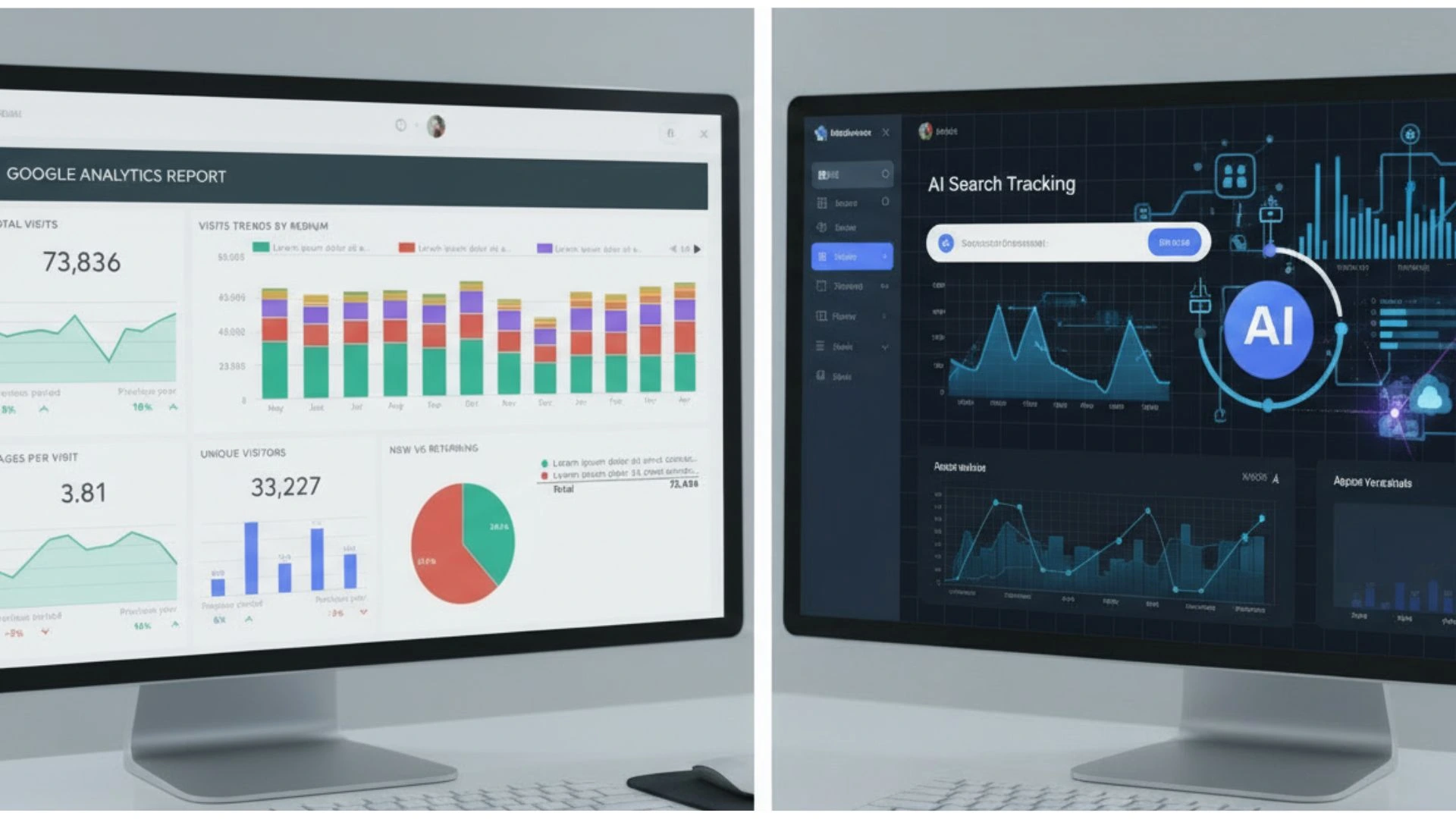
You’re ranking #1 on Google. Your traffic reports look perfect. So why isn’t your phone ringing with new clients?
The leads have vanished into a new channel you aren’t tracking: law firm AI search audit.
Potential clients are now having conversations with ChatGPT, Claude, and Perplexity before they ever open Google. They’re asking, “Who is the best employment lawyer in Chicago?” or “What does a DUI attorney cost?” If your firm isn’t cited in those AI answers, you are invisible, no matter how high your Google ranking is.
You are winning yesterday’s game while losing the new client acquisition battle.
We’ve spent 13 years at Lexicon Legal Content helping law firms adapt to digital shifts. The firms conducting regular AI search audits are identifying visibility gaps their competitors don’t even know exist. This systematic approach to AI visibility tracking separates firms that dominate AI search performance from those losing cases to better-positioned competitors.
Overview Summary
AI search now drives legal leads, and even high-ranking firms can be invisible without AI citations. A law firm AI search audit tracks mentions in ChatGPT, Google AI Overviews, Claude, and Perplexity to monitor visibility, competitor presence, and content performance for better E-E-A-T.
Why Traditional Analytics Miss AI Search Visibility
Google Analytics shows traffic, bounce rates, and conversions. Search Console displays rankings and clicks. These tools were built for traditional search where users click blue links to visit websites.
AI search works differently. When someone asks ChatGPT for legal advice, the platform generates complete answers without always requiring clicks, over 58% of Google searches now end without a click at all. Users get recommendations and next steps inside the AI conversation. Your firm either appears in that answer or doesn’t exist in the client’s decision process.
Traditional analytics can’t track AI citations, tell you if ChatGPT mentioned your firm, or show your law firm’s AI visibility across platforms. Plus, according to Barry Schwartz of Search Engine Roundtable, AI often pulls from sources like Wikipedia for factual overviews or Reddit for community insights, which might not align with your site’s rankings.
What to Track in Your Law Firm AI Search Audit
Effective AI search audits measure citation frequency, content performance, and competitive positioning. This AI search audit checklist for attorneys covers three critical measurement areas.
1. AI Citation Frequency and Platform Visibility
Test 15-20 real client queries across ChatGPT, Perplexity, Claude, and Google AI Overviews.
- General queries – “Best divorce lawyer in [city]” or “Top personal injury firm [location]”
- Specific questions – “How long to file discrimination claim in [state]?” or “Average car accident settlement?”
- Process queries – “Steps to file for divorce in [state]” or “What happens after DUI arrest?”
Use a spreadsheet to monitor AI mentions and track ChatGPT visibility by platform, query type, and prominence. Run audits monthly as AI models and content evolve. Studies show that AI citations often come from diverse sources, with blogs and expert sites making up a big chunk—up to 46% in some engines—so tracking across platforms is key.
2. Content Performance Analysis
When you get cited, cross-reference it with your website.
- Which pages are AI platforms pulling from?
- What formats are favored? (e.g., detailed FAQs, step-by-step guides)
This reveals the content structures that earn consistent AI citations and highlights gaps where you are missing. Optimizing with structured formats like lists or schema markup can boost this, especially for question-based queries that trigger AI responses.
3. Competitive AI Visibility Analysis
Include 5-10 competitors in your tests, documenting their appearances, queries, and prominence. Build a matrix of citation frequency by firm and platform to reveal wins, gaps, and disparities, like dominating ChatGPT but missing Perplexity, or lagging in family law queries. For local services like law, GEO factors play a huge role, as AI prioritizes contextual relevance in discovery.
AI Visibility Tracking Tools for Lawyers
Several specialized platforms now automate parts of the law firm AI search audit process, helping firms measure AI search performance metrics systematically.
- Semrush Position Tracking with AI Insights – Tracks visibility in Google AI Overviews.
- Ahrefs Alerts – Monitors brand mentions across the web, including AI content.
- BrandMentions – Real-time monitoring of brand references on generative engines.
If you’re not ready for paid tools, manual audits are still highly effective. Set aside 2-3 hours monthly to test queries directly on the AI platforms. Manual testing reveals nuances that automated tools can miss. Remember, getting cited often ties back to strong E-E-A-T signals and third-party authority.
Setting Up Analytics to Measure AI Referral Traffic
Configure Google Analytics 4 to track AI referral traffic and measure AI search performance metrics separately from traditional search. Create custom channel groupings for AI referral sources and monitor UTM parameters in URLs shared by AI platforms.
Track direct traffic spikes that correlate with AI citation increases, as users often type URLs directly after seeing them in AI responses. AI-referred visitors tend to spend more time on site and convert at higher rates because they arrive more informed and closer to hiring decisions. There’s growing overlap between traditional rankings and AI citations, especially for YMYL topics like legal advice, where overlap can hit 68-75% in related sectors.
What Good AI Search Performance Looks Like
Strong AI search performance for law firms typically includes appearing in at least 20-40% of tested queries in core practice areas (varying by market and optimization), consistent citations on two or more major platforms (e.g., ChatGPT, Google AI Overviews), and top-three placements in multi-firm recommendations, driven by E-E-A-T signals.
Focus on getting better over time, not hitting magic numbers, AI’s exploding, with traffic up 500%+ this year. If you’re invisible now, a weekly mention is progress. Bigger firms, go for regular nods across platforms with monthly bumps in mentions or visibility share. These signal leads coming, beyond just site hits. Use UTM tagging and geo audits to measure.
Frequently Asked Questions About Law Firm AI Search Audits
How often should law firms audit AI search visibility?
Law firms should conduct AI search audits monthly. AI platform algorithms update constantly, and monthly audits catch visibility drops before they cost significant client volume. Initial baseline audits take 2–3 hours, with subsequent monthly checks requiring 1–2 hours to track AI citations effectively.
What AI platforms should lawyers track for visibility?
Lawyers should track four primary AI platforms: ChatGPT, Google AI Overviews, Perplexity, and Claude. Each platform serves different user segments and requires separate monitoring for comprehensive AI visibility tracking. For instance, ChatGPT leans heavily on Wikipedia, while others favor Reddit.
How do you measure AI search performance for law firms?
Measure AI search performance with these key metrics: citation frequency (30–40% of tested queries), platform diversity (appearing on 2+ platforms), referral traffic tracked in GA4, direct traffic increases that correlate with AI mentions, and time on site for AI-referred visitors (typically 40–60% higher than traditional search traffic).
Why isn’t my law firm showing up in ChatGPT or AI search results?
Common reasons include lack of structured content with clear answers, missing schema markup (LegalService, Attorney, FAQPage), thin content without jurisdiction-specific details, poor mobile optimization affecting AI crawlability, or outdated content that AI platforms skip. A comprehensive law firm AI search audit identifies these specific gaps.
Your Action Plan
Start with a baseline AI visibility audit this week: Test 15-20 queries across platforms, document your visibility, and schedule monthly repeats to track your progress.
For most firms, finding the bandwidth for comprehensive, monthly audits is a challenge while managing a active practice. This is where expert guidance makes the difference.
At Lexicon Legal Content, our approach is built on a foundation of deep expertise. Our team comprises legal content marketing experts who analyze the specific patterns that drive AI visibility. We create content written by experts and ensure every piece is attorney-reviewed content to guarantee legal accuracy and ethical compliance. This dual focus, on both authoritative legal precision and AI-platform optimization is what builds sustainable visibility.
Ready to see where your firm actually ranks in AI search? Call us at 877-486-8123 or contact us online today.
Key Takeaways
- Clients now ask AI platforms first before using Google search.
- Law firm AI search audit ensures visibility in AI recommendations.
- Run monthly audits to track citations and visibility shifts consistently.
- Test fifteen to twenty real client queries across leading platforms.
- Benchmark competitor AI citations to find advantage and gaps quickly.
- Use structured content, schema, and jurisdiction details to win consistently.
- AI-sourced leads arrive informed, engaged, and convert at higher rates.

David Arato, JD, is the founder of Lexicon Legal Content, an attorney-owned legal content marketing agency serving law firms since 2012. He has spent over a decade helping law firms understand where their clients actually come from, and now focuses on AI search audit frameworks that reveal whether ChatGPT, Claude, and Perplexity are citing your firm. He is a contributor to Attorney at Work and Attorney at Law Magazine, and a frequent guest on legal marketing podcasts.