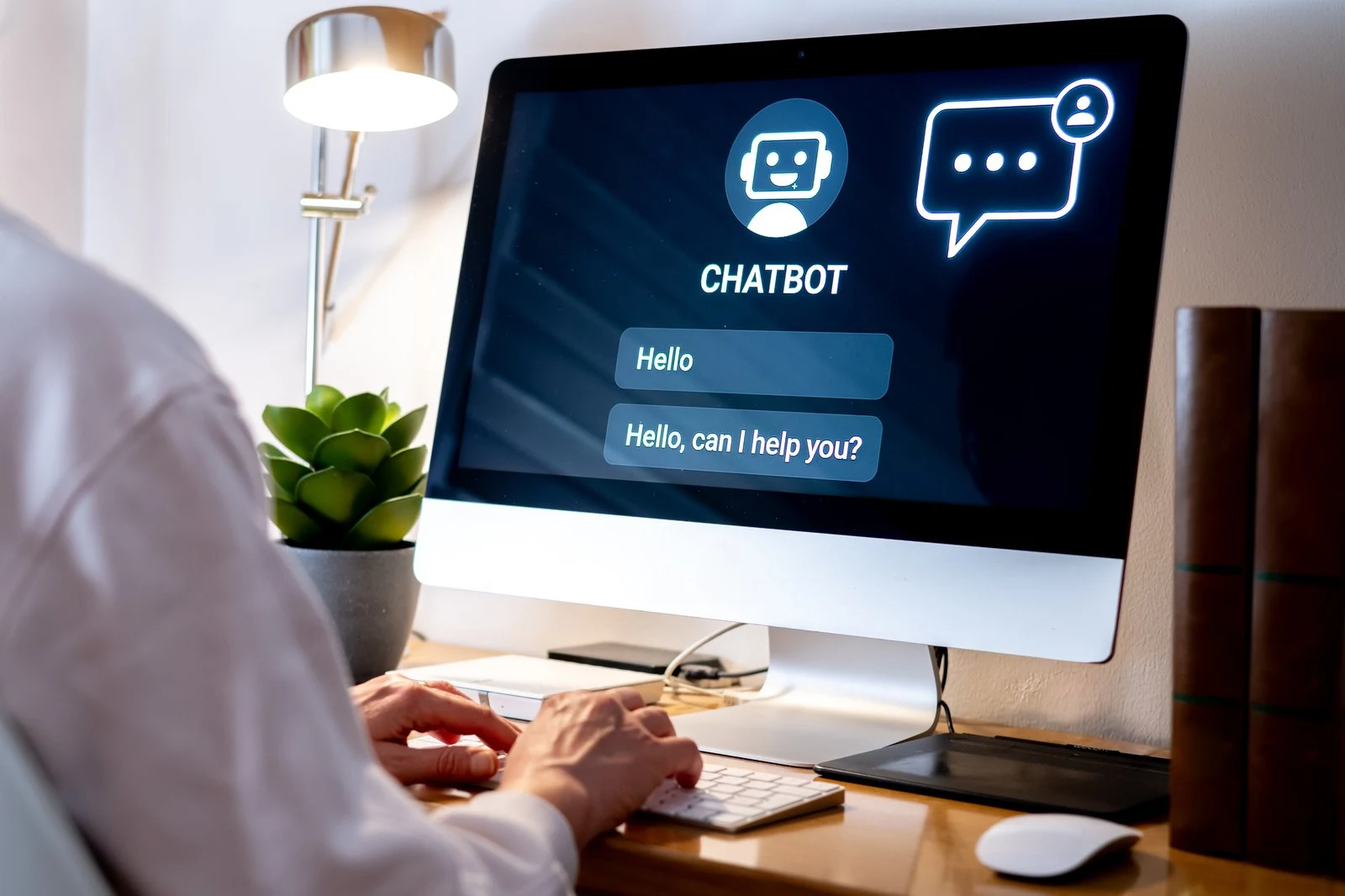
A chat box on a firm’s website can greet visitors at midnight, answer questions and book a consultation. Plenty of firms added one this year.
On October 31, 2026, the New York State Bar Association approved AI ethics guidelines that speak directly to these tools. For law firm chatbot ethics, the answer turns on what the bot actually does: taking a phone number is one thing, telling a visitor whether they have a case is another.
Under the NYSBA AI guidelines approved October 31, 2026, a law firm chatbot that gives substantive information about a prospective client’s rights or options should promptly and clearly say the user is talking to an automated program, not a lawyer.
A bot used only to collect contact details or schedule is outside that paragraph unless it looks like a lawyer is talking. The guidelines are not binding rules.
What New York’s Bar Approved on October 31
The NYSBA’s Committee on Artificial Intelligence and Emerging Technologies wrote the guidelines, and the House of Delegates approved them on October 31, 2026. They cover how New York lawyers use AI, including marketing and first contact with prospective clients.
The guidelines “do not amend the New York Rules of Professional Conduct,” and they do not create independent disciplinary obligations. They show how the state bar reads the existing rules when AI is involved.
Which of Three Chatbot Types Is on the Firm’s Site?
The right chatbot setup depends on which of these three descriptions fits.
The Bot Only Collects Contact Details or Books a Call
A bot used solely to collect basic contact or intake information falls outside the disclosure paragraph in Guideline 12A(d). The same goes for scheduling, routing inquiries or sending a clearly automated acknowledgment.
There is one catch. The exemption does not apply if the bot’s presentation would cause a reasonable person to believe they are talking with a lawyer. Booking assistants are getting easier to add: on November 4, Microsoft Clarity expanded its Brand Agents assistant to local businesses, with links to tools such as Calendly and HubSpot to capture leads and schedule appointments.
The Bot Answers Questions About the Visitor’s Rights or Options
A bot that gives substantive information about a prospective client’s rights or options, such as whether a claim might exist or what a deadline means, “should promptly and clearly disclose that the user is communicating with an automated program and not with a lawyer.”
The report goes further where silence would mislead. If leaving out the disclosure would make the communication false or misleading under New York Rule 7.1(a), the firm must disclose.
The Bot Has a Human Name, Photo or Voice
Guideline 13A(d) says: “A lawyer shall not use AI Tools to pose as a natural person in communicating with a prospective client.”
Guideline 13A also asks for a clear disclosure when a solicitation uses synthetic images, voice or video that recipients would reasonably take for a real person. The same thinking already applies to bar rules on testimonials and actors in video ads.
A Disclosure Line and Setup Checklist
A firm that wants its chatbot on safe ground can start with a plain opening message, such as: “You’re chatting with an automated assistant, not a lawyer. Nothing here is legal advice.”
These steps are practical suggestions based on the guidelines, not text taken from them:
- Put the disclosure in the bot’s first message, not in a footer or a terms link.
- Give the bot a plain name like “Intake Assistant,” with no human name or stock headshot.
- Hand the visitor to a person once the chat turns to the facts of a case.
- Outside New York, check the state’s own rules and ethics opinions before copying this approach.
Chatbots are one of several ways firms now reach leads quickly, and the same caution applies to rules on texting a lead who never opted in.
Frequently Asked Questions
A law firm chatbot in New York should disclose that it is AI when it gives substantive information about a prospective client’s rights or options, under NYSBA Guideline 12A(d). The bot should promptly and clearly say the user is talking to an automated program, not a lawyer.
The NYSBA AI guidelines are not binding on New York lawyers. The report says they do not amend the New York Rules of Professional Conduct or create independent disciplinary obligations.
A scheduling or intake bot does not fall under the NYSBA disclosure paragraph if it is used solely to collect basic contact or intake information, schedule or route inquiries. That changes if the bot’s presentation would make a reasonable person believe they are talking with a lawyer.
A law firm should not use a chatbot to pose as a real person with prospective clients. NYSBA Guideline 13A(d) says a lawyer shall not use AI tools to pose as a natural person when communicating with a prospective client.
- The NYSBA House of Delegates approved AI ethics guidelines on October 31, 2026.
- A chatbot that gives substantive information about a visitor’s rights or options should say it is an automated program, not a lawyer.
- Bots used only for contact details, scheduling or routing fall outside that paragraph unless they look like a lawyer.
- A lawyer shall not use AI to pose as a natural person with a prospective client, and the guidelines are not binding rules.
Getting Law Firm Chatbot Ethics Right Before the Next Lead Arrives
Law firm chatbot ethics comes down to one honest sentence at the start of the chat. A bot that collects a phone number and books a call needs little more than a clear setup. A bot that answers legal questions should say it is automated, and no bot should pretend to be a person.
New York’s guidelines are not binding, but they show how one large bar reads rules firms already follow. Firms elsewhere should check their own state’s position.
A chatbot’s words are marketing copy and deserve the same review. Lexicon’s legal content experts handle legal content writing, including the scripts and intake pages a chat assistant draws on. Call (877) 486-8123 to go over what your firm’s chat box says to visitors.