SEO Marketing for Law Firms: Why Rankings Alone Don’t Generate Clients Anymore

SEO Marketing for Law Firms: Why Rankings Alone Don’t Generate Clients Anymore

Your firm’s SEO investment may be producing strong rankings right now. The problem is that rankings are no longer the whole picture.

We hear the same question from law firm owners across every practice area: why is lead flow flat when our Google rankings look fine? We have been working with law firms on their content and SEO marketing for law firms strategies since 2012, and the answer has nothing to do with a penalty or a technical glitch. It has everything to do with how prospective clients find legal help in 2026.

ChatGPT, Google AI Overviews, and Perplexity now answer legal questions directly, often before a user ever sees a traditional search result. Firms that built strong SEO foundations are still in good shape, but only if they’re also showing up inside those AI-generated answers. This article breaks down what has changed, what the data shows, and where firm-level decision-makers should be directing resources now.

What SEO Marketing for Law Firms Actually Means in 2026

The fundamentals of law firm SEO strategy have not gone away. If anything, they matter more now because they are the foundation that AI visibility is built on.

Keyword targeting still drives discovery. Practice area pages need to clearly signal what your firm does and where you do it. Firms that skipped this step or produced vague service pages years ago are now doubly exposed, because those pages fail in both traditional search and AI citation.

On-page optimization still determines how search engines categorize your content. Header structure, meta descriptions, title tags, and internal linking tell Google what your pages are about. These same structural signals also help AI systems decide which sources are worth pulling into a generated answer.

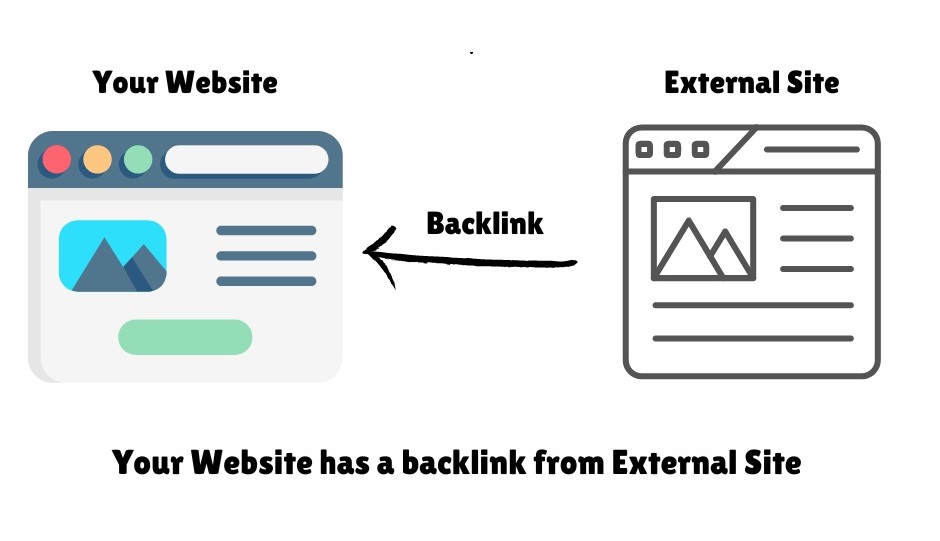
Backlinks continue to establish domain authority. When other reputable sites link to your firm’s content, it signals credibility. AI platforms draw heavily from sources with strong authority signals, so link-building is not something your firm can stop investing in.

Local SEO and your Google Business Profile remain essential for geographic visibility. Firms competing in specific metro areas or jurisdictions need up-to-date profiles, consistent NAP data, and localized content to rank in map packs and local results.

None of this is outdated. But firms that have done only this work are now exposed to a new kind of competition: the firms being cited inside AI-generated answers, not just listed below them.

How AI Search Is Changing the Law Firm Marketing Equation

The shift is not theoretical. It is measurable, and the data points in one direction.

According to a Semrush study analyzing more than 10 million keywords, Google displayed AI-generated summaries on 13 to 16 percent of all searches in 2025, with that number spiking to roughly 25 percent at its peak. Legal queries trigger AI Overviews at a far higher rate. One industry analysis puts the figure at nearly 78 percent, the highest of any sector. For firms spending five or six figures annually on SEO, that means a growing share of the audience they are paying to reach never makes it past the AI-generated summary.

At the same time, zero-click searches are accelerating. Similarweb’s 2025 data found that Google searches ending without any click to an external site jumped from 56 percent to 69 percent in a single year. When nearly seven out of ten searches produce zero outbound traffic, the math on traditional SEO returns changes fast.

Gartner has projected expects traditional search engine volume to drop by a quarter by 2026, as AI chatbots and virtual agents absorb queries that used to flow through Google. And here is the number that should reshape how your firm thinks about marketing spend: research from Ahrefs shows that just 12 percent of the URLs AI platforms cite also appear in Google’s top 10 results. The firms earning AI search for law firms visibility are frequently not the same firms dominating traditional rankings. For attorneys reviewing marketing ROI, that disconnect is the headline.

The practical impact is straightforward. A prospective client searching for “how long do I have to file a personal injury claim in Florida” or “what happens at a DUI arraignment in Texas” may never see your website, even if you rank on page one, because the AI answer already gave them what they needed along with a citation to a different firm.

GEO for Law Firms: The Other Half of the Strategy

GEO for law firms is short for Generative Engine Optimization, and it addresses the gap between ranking and being recommended. Traditional SEO positions your firm in a list of results. GEO positions your firm inside the answer a prospective client is already reading.

When someone asks ChatGPT which law firm handles truck accidents in Dallas, or when Google’s AI Overview summarizes the steps after a wrongful termination, the platforms are pulling from specific sources. The firms whose content gets cited earn a form of visibility that traditional rankings cannot replicate. The user sees your firm’s name, your content, and often a link, all embedded in the answer they are already reading.

From a resource allocation perspective, the question is clear: what does your firm need to produce in order to earn those citations?

AI platforms tend to cite content that meets three criteria. First, it needs to be written or reviewed by an actual attorney. Bylined, attributed content from a named lawyer with verifiable credentials carries more weight than anonymous practice area copy. Second, the technical structure matters. Schema markup, FAQ formatting, and clean HTML signal to AI systems that your content is organized and trustworthy. Third, and this is where most firm websites fall short, the content needs to include jurisdiction-specific legal detail. A page about “personal injury law” loses to a page about “personal injury claims under California Civil Code Section 1714” every time in AI results.

The relationship between GEO for law firms and traditional legal SEO marketing is closer than most managing partners assume. Generative engine optimization does not replace SEO. It extends it into the AI layer where a growing share of client decisions are being made.

Why Most Law Firm Content Fails the AI Test

Here is what most managing partners do not want to hear: the content budget your firm spent over the last five years probably produced pages that AI will never cite.

We say this to managing partners regularly, not to be harsh, but because it is the reality of how AI search evaluates legal content. Most law firm websites are filled with practice area pages that say roughly the same thing as every competitor’s pages. The language is generic. The legal detail is shallow. Those pages were written to hit a word count or target a keyword, not to demonstrate real legal knowledge. That approach worked well enough when the only job was ranking in a list of ten blue links. It does not work when AI platforms are evaluating which source is authoritative enough to quote.

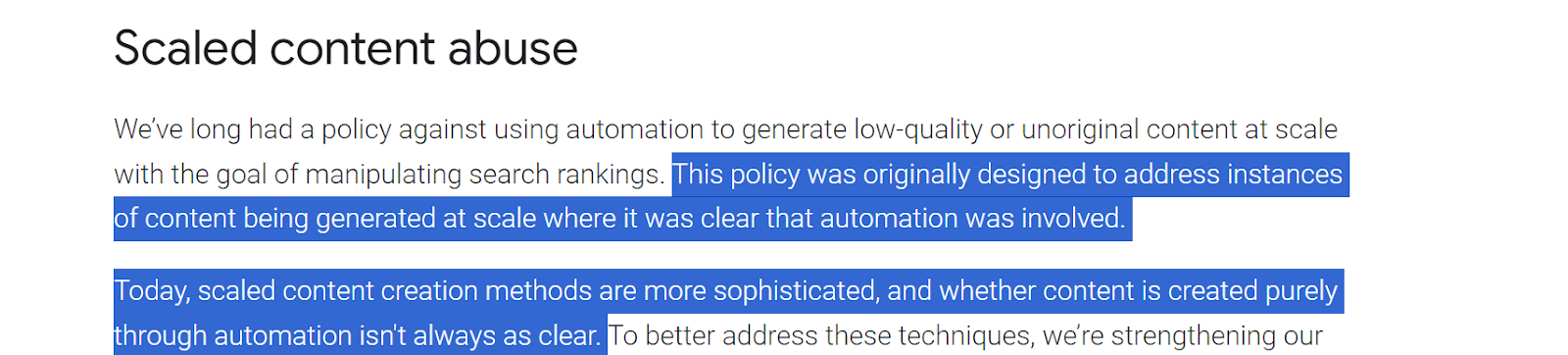
AI-generated content makes this problem worse, not better. We have watched firms publish dozens of blog posts produced by ChatGPT with minimal review, and the results are predictable. Those posts may contain technically accurate information, but they lack the depth, jurisdiction-specific detail, and professional perspective that AI search engines look for when choosing what to cite. Using AI to mass-produce your content makes you invisible to AI-powered search. That is not irony. It is just how the system works.

The harder truth is that cheap, mass-produced content is now a liability for firms, not just a missed opportunity. Firms that spent years buying low-cost articles from content mills are now discovering that those pages actively work against them in the AI environment. The content is too thin to rank well, too generic to be cited, and too recognizable as filler to build trust with the AI systems evaluating source quality.

Attorney-attributed content with real legal depth is what earns citations. That is the standard now, and firms that treated content as an afterthought are paying twice: once to produce it and again to replace it.

How to Build an SEO and GEO Strategy That Works for Your Firm

SEO and GEO are not an either-or decision. They work in sequence. One builds the infrastructure the other relies on.

A firm without strong technical SEO, clean site architecture, proper indexing, and solid domain authority will not benefit from GEO work. AI platforms are more likely to cite sources that already have demonstrated credibility in traditional search. So the first step for any firm is an honest assessment of where the SEO basics stand. If your site loads slowly, has thin content, lacks schema markup, or has an inconsistent Google Business Profile, those issues need to be resolved before GEO optimization can take hold.

Once the foundation is in place, the GEO layer involves producing content that AI systems want to cite. That means building out FAQ pages structured for AI retrieval, publishing attorney-bylined content on specific legal topics relevant to your jurisdiction, implementing schema markup across your site, and keeping content current as statutes and case law change.

Consider the difference. A firm with a page titled “Car Accident Lawyer” that lists general services and ends with a phone number is doing the minimum. A firm with a page that breaks down the state’s specific statute of limitations, explains comparative fault rules with citations to actual code sections, includes an FAQ section answering the questions people ask AI assistants, and carries the name of the attorney who handles these cases is doing GEO. Both pages may rank on Google. Only one is likely to be cited by ChatGPT.

That 12 percent citation overlap from the Ahrefs data is worth coming back to here. It confirms that a firm can hold strong Google rankings and still be absent from the AI answers that increasingly drive client decisions. Investing in both SEO and GEO closes that gap. Investing in only one leaves the other channel wide open for competitors. The specific content and technical requirements for AI Overview optimization are well-documented at this point, and most firms can begin implementation within weeks

Frequently Asked Questions: SEO Marketing for Law Firms

What is SEO marketing for law firms in 2026?

This is a placeholder tab content. It is important to have the necessary information in the block, but at this stage, it is just a placeholder to help you visualise how the content is displayed. Feel free to edit this with your actual content.

Why are law firm leads declining even when Google rankings are strong?

Because a growing share of legal searches now trigger AI-generated summaries that answer the question directly, often before a user scrolls to organic results. Google AI Overviews appear on nearly 78% of legal queries, the highest rate of any industry sector.

What is GEO for law firms?

GEO stands for Generative Engine Optimization. It is the practice of structuring legal content so that AI platforms select it as a cited source inside generated answers. Unlike traditional SEO, which places a firm in a ranked list, GEO places the firm inside the answer itself.

How is AI changing law firm SEO strategy?

AI search platforms now intercept a significant portion of legal queries before users reach traditional results. Research shows only 12% of URLs cited by AI platforms also appear in Google’s top 10, meaning firms can rank well in Google while being completely absent from AI-generated answers.

What type of content do AI platforms cite from law firm websites?

AI platforms prioritize attorney-attributed content with jurisdiction-specific legal detail, proper schema markup, FAQ formatting, and citations to actual statutes or case law. Generic practice area pages rarely earn AI citations regardless of their Google ranking.

Do law firms still need traditional SEO if they’re investing in GEO?

Yes. Traditional SEO builds the domain authority and site structure that AI platforms use to evaluate source credibility. GEO has no foundation without it. The two strategies work sequentially, not as alternatives.

Start Building AI Visibility for Your Firm Now

If your firm has invested in SEO but hasn’t seen returns from AI search, the gap is likely in your content and technical structure, not in your rankings. Closing that gap requires writers who understand legal substance and a strategy that treats SEO marketing for law firms and GEO as connected parts of the same pipeline.

For firms that act now, the upside is significant and durable. AI citation authority works differently than traditional Google rankings. Algorithm updates can shuffle organic positions overnight, but the trust AI systems place in consistently cited sources accumulates over time and is difficult for late entrants to displace. This is not a reset. It is a widening gap.

That is what we do at Lexicon Legal Content. Every piece of content we produce is written by JD-trained legal writers who understand both the legal substance and the technical requirements that make content visible to AI platforms. If your firm is ready to close the gap between ranking and being cited, generative engine optimization for law firms is where that work starts, or call us at 877-486-8123 to talk about what a combined SEO and GEO strategy looks like for your firm. You can also contact us online.


David Arato, JDs headshot

About the Author:

David Arato, JD, is the co-founder of Lexicon Legal Content, an attorney-owned legal content marketing agency serving law firms since 2012. He has spent more than 13 years helping law firms navigate every major shift in legal search — and for the past several years has focused specifically on how AI platforms like ChatGPT, Google AI Overviews, and Perplexity are reshaping law firm marketing and client acquisition. David is a regular contributor to Attorney at Law Magazine and Attorney at Work and a recurring guest on legal marketing podcasts.


The SEO-AI Connection: Why Law Firm Sites Ranking in Google Also Dominate ChatGPT Citations

Two major studies published in 2025 reveal intriguing and seemingly contradictory insights about the relationship between Google rankings and AI search visibility. For law firms, understanding this connection is crucial for navigating the evolving digital marketing landscape.

A Seer Interactive study analyzing 10,000 queries found a strong 0.65 correlation between Google first-page rankings and ChatGPT brand mentions. Yet research by Chatoptic discovered only 62% overlap, meaning 4 out of 10 times, completely different brands appeared in ChatGPT versus Google results.

So which is true? Both. The answer reveals why attorney-written legal content has become essential for competitive visibility in both traditional SEO and AI-powered search.

The Research: What Actually Connects SEO and AI

Seer Interactive found brands in Google’s top three positions showed the strongest correlation with ChatGPT citations. Surprisingly, traditional SEO factors like backlinks had limited impact, suggesting content quality drives success in both systems. 

Chatoptic’s study showed 62% of first-page Google brands appeared in ChatGPT, but ranking correlation was nearly zero (0.034). Domain-level authority mattered more than individual URLs, with domain overlap three times higher than URL overlap.

Both studies are correct because they measured different aspects of the same phenomenon. What transfers from Google to AI isn’t rankings or technical SEO tricks, it’s the underlying content quality that both systems independently value. 

The 5 Elements That Win in Both Worlds

1. E-E-A-T Signals

Both Google and AI prioritize content from credible sources. For law firms, this means author credentials matter more than ever. JD degrees, bar admissions, years of practice, professional affiliations, and published work all signal expertise that generic content writers simply cannot replicate.

Why attorney-written content wins: Professional legal content services create content with built-in E-E-A-T signals. When licensed attorneys write content, the expertise is verifiable and authentic, exactly what both Google’s algorithms and AI language models seek when evaluating trustworthiness.

2. Direct, Structured Answers

Between January and August 2025, 83% of featured snippets were replaced by AI Overviews. However, content optimized for both follows the same fundamental principles.

The 40-60 word rule: Place direct answers immediately under question-style headings. For example, instead of “Understanding Personal Injury Claims,” use “How Long Do I Have to File a Personal Injury Lawsuit in California?” followed by a 40-60 word answer citing the specific statute of limitations.

Format for extraction:

  • Numbered lists for legal processes
  • Bullet points for tips and requirements
  • Tables for comparing legal options
  • Short paragraphs (2-3 sentences maximum)

3. Jurisdiction-Specific Accuracy

Generic legal information loses to location-specific content every time. State-specific laws, local court procedures, and jurisdiction-accurate statute citations separate professional content from generic marketing copy.

This is where attorney-written content becomes irreplaceable. Legal training and access to premium research databases like Westlaw and LexisNexis enable the jurisdiction-specific depth that both Google and AI reward. Generic content writers may understand SEO, but they can’t verify whether a statute applies in California versus New York, or whether a local court follows specific procedural requirements.

4. Credible Source Citations

Trust signals have never mattered more. Both traditional search engines and AI systems evaluate whether content backs claims with authoritative sources.

Best practices:

  • Link to official .gov websites
  • Cite specific statutes and case law by name and number
  • Reference research institutions conducting studies
  • Avoid vague claims like “studies show” without attribution

According to Google’s Search Quality Guidelines, demonstrating expertise through proper sourcing is critical for content in YMYL (Your Money or Your Life) categories, which includes legal services.

5. Technical Schema Markup

Schema markup helps both systems understand and extract content efficiently. For law firms, implementing proper structured data can dramatically improve visibility in both traditional search results and AI-generated answers.

Essential schema types:

  • FAQPage schema for Q&A sections
  • LegalService schema for practice areas
  • Article schema with author credentials
  • LocalBusiness schema for “near me” searches

Most firms need professional help implementing schema correctly. As part of comprehensive legal content marketing services, proper technical implementation ensures content performs optimally across all platforms.

What Law Firms Must Do Now

The gap between understanding SEO-AI and executing it is in implementation. Firms acting now gain a competitive edge in both Google and AI search results.

Priority actions for immediate impact:

  • Audit Credentials: Add JD, bar admissions, and years of practice.
  • Reformat Top Content: Use question-style H2s with 40–60 word answers.
  • Implement Schema: Start with FAQ, then LegalService and Article schemas.
  • Update Regularly: Add “last reviewed” dates and refresh content.

Ranking in Google AND earning AI citations requires legal expertise, schema skills, and consistent maintenance, tasks most attorneys lack time for. Professional legal content services provide jurisdiction-specific accuracy, authoritative sourcing, and strong E-E-A-T signals.

FREQUENTLY ASKED QUESTIONS

Do Google rankings guarantee my law firm will be cited by ChatGPT?

No. Only 62% of top-ranking brands appear in AI responses. Success requires authoritative content with clear expertise signals. Attorney-written content performs better because it naturally includes trust factors that both Google and AI prioritize.

What’s the difference between featured snippets and AI Overviews for law firms?

Featured snippets pull answers from a single source for 18% of searches. AI Overviews synthesize 2–3+ sources using Gemini AI and have replaced 83% of snippets since January 2025. Legal queries frequently trigger AI Overviews, making optimization essential.

How do I optimize legal content for both Google and AI search engines?

Use question-style headings with concise answers, include author credentials, add schema markup, cite statutes and jurisdiction-specific laws, structure content with lists or tables, and update regularly with “last reviewed” dates to signal authority and relevance.

Why does attorney-written content rank better than generic legal marketing content?

Attorney-written content includes E-E-A-T signals, credentials, and legal training. Access to premium research databases enables accurate statutes and jurisdiction-specific details, giving attorney-authored content a clear advantage over generic writers.

Boost Your Law Firm’s Visibility on Google and AI

The SEO-AI connection isn’t about gaming separate systems, it’s about creating authoritative, accurate, well-structured content both value. Generic marketing content can’t match jurisdiction-specific legal expertise, and traditional SEO alone won’t secure AI citations. Firms dominating Google rankings and ChatGPT mentions invest in content that serves humans and algorithms equally, crafted by legal professionals who understand the law and how to communicate it effectively online.

Lexicon Legal Content’s JD-trained writers create jurisdiction-specific, SEO-optimized content that performs across all platforms. Call 877-486-8123 or contact us online to elevate your content strategy.

Schema Markup for Law Firms: The Hidden SEO Advantage Your Competitors Are Missing

Schema Markup for Law Firms: The Hidden SEO Advantage Your Competitors Are Missing

After 12 years of working exclusively with law firms, the team at Lexicon Legal Content has seen countless attorneys pour money into SEO tactics that barely move the needle. They obsess over keywords, pump out blog posts, and chase backlinks while ignoring one of the most powerful tools available: schema markup.

Most lawyers have never heard of schema markup. Those who have think it’s too technical or not worth the effort. They’re wrong on both counts, and their ignorance is costing them clients.

Here’s what schema markup actually does and why law firms need it.

What Schema Markup Really Means for Legal Practices

Schema markup is code that tells Google exactly what website content represents. Without it, search engines are essentially guessing whether that “John Smith” on a law firm’s website is an attorney, a client testimonial, or just some random person mentioned in a blog post.

Most law firms don’t understand that Google doesn’t just want to rank websites anymore. Search engines want to answer searchers’ questions directly on the results page. Schema markup is how law firms get their information featured in those answers.

Schema Types That Generate Results for Law Firms

  • LocalBusiness Schema gets firm contact information displayed prominently in search results. When someone searches for “divorce lawyer near me,” firms want their phone number and address showing up before prospects even click through to their website.
  • Attorney Schema identifies lawyers and their specialties. This helps Google understand that Sarah Johnson isn’t just any Sarah Johnson – she’s a medical malpractice attorney with 15 years of experience.
  • Review Schema displays star ratings in search results. In an industry where trust is everything, having 5 stars visible next to a listing while competitors show plain text creates a massive advantage.
  • LegalService Schema tells Google exactly what legal services firms provide and where they provide them. This is crucial for local search visibility.

The key is implementing these strategically, not just adding code randomly and hoping it works.

Why Most DIY Schema Attempts Fail

Our team has cleaned up more botched schema implementations than we care to count. Usually, it’s a law firm’s web developer who thought they could figure it out from a tutorial.

The most common mistake? Using generic schema instead of legal-specific markup. We’ve seen firms implement basic “Service” schema when they should be using “LegalService” schema. The difference matters more than most realize.

Another killer: incorrect practice area descriptions. Using vague terms like “litigation” instead of specific designations like “personal injury litigation” or “commercial litigation” reduces schema effectiveness significantly.

Then there’s the syntax issue. Schema markup is unforgiving – one misplaced comma or bracket can invalidate entire implementations. Google’s testing tools will indicate if schema is broken, but most firms never bother to check.

The Compliance Challenges Most Agencies Miss

Being attorney-owned makes a real difference here. Generic SEO agencies implementing schema for law firms often create compliance nightmares without realizing it.

We’ve seen schema implementations that violate advertising rules by making improper claims about case results. Others misrepresent attorney credentials or practice areas in ways that could trigger bar complaints.

State bar associations have specific rules about how attorneys can present their qualifications and services. Schema markup isn’t exempt from these requirements just because it’s “technical SEO.” The code still represents marketing claims about legal practices.

Our team has built schema strategies around these compliance requirements from day one. It’s why agencies like Rankings.io and BluShark Digital trust us with their legal clients – they know we understand the regulatory landscape that governs legal marketing.

What Actually Works: Real Examples

For personal injury firms, effective schema identifies specific injury types handled, contingency fee structures, and track records of settlements. This helps firms appear in searches for specific injuries while properly disclaiming results.

Family law practices benefit from schema that clearly delineates service areas – divorce, custody, adoption, prenuptial agreements. The specificity helps capture more targeted searches while avoiding compliance issues that come with overly broad claims.

Corporate law firms see results from schema that highlights industry expertise and business law specialties. We’ve had success implementing schema that identifies specific sectors served – healthcare, technology, real estate – which improves visibility for industry-specific legal searches.

The Implementation Reality

Schema markup isn’t something firms implement once and forget about. It requires ongoing maintenance and optimization as Google updates requirements and practices evolve.

The technical aspects matter, but they’re not the hardest part. The real challenge is understanding how to structure schema to comply with legal advertising rules while maximizing search visibility.

This is why most law firms benefit from professional implementation. Not because the code is impossibly complex, but because the strategic decisions around what to include, how to phrase it, and how to maintain compliance require legal industry expertise.

Measuring Business Impact

Schema markup success isn’t just about getting rich snippets to appear. The real measure is business impact through improved search visibility and click-through rates.

Law firms with properly implemented schema markup typically see enhanced search result displays that can improve click-through rates compared to competitors with basic text listings.

More importantly, schema markup often attracts more qualified prospects because enhanced search results provide more information upfront, helping pre-qualify potential clients before they contact firms.

Local search visibility improvements are another potential benefit. Law firms with comprehensive schema markup may rank more prominently in “near me” searches and map pack results.

Schema Markup and AI Search Results: The Next Frontier

As AI-powered search tools like ChatGPT, Google’s AI Overviews, and other generative AI platforms become more prevalent, schema markup takes on new importance. These AI systems rely heavily on structured data to understand and cite authoritative sources.

Law firms with proper schema markup are more likely to be referenced in AI-generated answers about legal topics. When someone asks an AI tool “What should I look for in a personal injury lawyer?” or “How do I find a family law attorney in my area?” – AI systems often pull information from websites with clear, structured data.

Schema markup helps AI systems identify law firms as legitimate legal service providers rather than general websites that happen to mention legal topics. This distinction becomes crucial as more potential clients use AI tools for initial legal research.

The structured data provided by schema markup also helps AI systems understand:

  • Which attorneys practice which areas of law
  • Geographic service areas for law firms
  • Professional credentials and qualifications
  • Specific legal services offered

As AI search continues to evolve, law firms without schema markup may find themselves increasingly invisible to these new discovery methods. The firms implementing comprehensive schema markup now are positioning themselves for visibility in both traditional search results and emerging AI-powered search experiences.

This represents a significant competitive advantage that extends beyond current search engine optimization into the future of how people find legal services online.

Most law firms still aren’t using schema markup effectively. This creates a massive opportunity for firms that implement it properly.

In competitive legal markets, schema markup can be the difference between appearing in the top three search results and getting buried on page two. The visual enhancement alone often determines which firm gets the click when multiple attorneys appear for the same search.

But this advantage won’t last forever. As more firms discover schema markup, the competitive benefit will diminish. The firms implementing it now are positioning themselves ahead of competitors who are still focused on traditional SEO tactics.

Getting Schema Implementation Right

Schema markup implementation for law firms requires balancing technical SEO knowledge with legal industry expertise. Firms need teams that understand both the code and the compliance requirements.

Generic tutorials and basic implementations miss the nuances that make schema markup effective for legal practices. Practice area-specific schema, proper compliance structuring, and ongoing optimization require specialized knowledge.

After working with over 300 law firms across North America, our attorney-owned team has seen what works and what doesn’t. The firms that succeed with schema markup treat it as a strategic investment, not a technical checkbox.

Stop Losing Clients to Better-Displayed Competitors

Schema markup represents one of the biggest untapped opportunities in legal SEO today. While competitors focus on traditional tactics, forward-thinking firms can gain decisive advantages through enhanced search visibility.

The question isn’t whether schema markup will become standard for law firms – it’s whether firms will implement it before or after their competitors figure it out.

If you’re ready to stop watching potential clients click on competitors with better search result displays, it’s time to discuss professional schema implementation that generates real results.

Contact our team today toearn how strategic schema markup can transform your search visibility and drive more qualified leads to your practice.

Frequently Asked Questions About Schema Markup for Law Firms

What exactly is schema markup and how does it work?

Schema markup is structured data code added to your website that tells search engines exactly what your content represents. Instead of guessing whether “John Smith” on your site is an attorney or client, schema explicitly identifies him as a lawyer with specific credentials and practice areas. This clarity helps search engines display enhanced results with rich snippets.

Do law firms really need schema markup, or is regular SEO enough?

Regular SEO focuses on content and keywords, but schema markup addresses how search engines interpret that content. Without schema, you’re leaving search visibility to chance. Law firms with proper schema implementation often display enhanced listings with star ratings, contact information, and service details while competitors show basic text results.

What types of schema markup are most important for attorneys?

Law firms benefit most from Attorney schema (identifies individual lawyers and credentials), LegalService schema (specifies practice areas and services), LocalBusiness schema (displays contact information and location), and Review schema (shows star ratings in search results). Each serves different aspects of legal marketing.

Can our web developer implement schema markup, or do we need specialists?

Web developers can implement basic schema, but legal-specific implementation requires understanding both technical requirements and legal advertising compliance. We’ve seen developers create schema that violates bar association rules or uses incorrect legal service classifications. Attorney-owned implementation ensures both technical accuracy and ethical compliance.

How long does it take to see results from schema markup implementation?

Search engines typically recognize properly implemented schema within 2-4 weeks. However, rich snippet display depends on multiple factors including content quality, site authority, and search competition. The enhanced search result appearance is often immediate once Google validates the schema structure.

Will schema markup help our law firm rank higher in search results?

Schema markup doesn’t directly improve search rankings, but it significantly enhances click-through rates through improved search result appearance. Higher click-through rates can indirectly influence rankings. More importantly, schema helps attract more qualified prospects who see enhanced information before clicking.

What happens if schema markup is implemented incorrectly?

Incorrect schema implementation can invalidate the entire structure, providing no SEO benefit while potentially confusing search engines. Common errors include syntax mistakes, wrong schema types for legal services, and compliance violations. Google’s testing tools identify technical errors, but legal industry expertise is needed for strategic implementation.

Does schema markup work for all practice areas, or just certain types of law?

Schema markup benefits all practice areas, but implementation strategies vary. Personal injury firms emphasize case types and results disclaimers, family law practices highlight service areas like divorce and custody, while corporate attorneys focus on industry expertise and business law specialties. The key is matching schema to your specific legal services.

How does schema markup relate to local SEO for law firms?

LocalBusiness schema is crucial for law firms serving specific geographic areas. It displays firm location, contact information, and service areas directly in search results. This is particularly important for “near me” searches and Google Maps visibility. Proper local schema implementation improves both traditional search and map pack appearances.

Can schema markup help with compliance and ethical advertising requirements?

When implemented by legal industry experts, schema markup can actually support compliance by properly structuring claims about credentials, results, and services. However, generic implementation often creates compliance issues by making improper claims or misrepresenting qualifications. Attorney-owned agencies understand these regulatory requirements from experience.==

Stop Losing Clients to Better-Displayed Competitors

Schema markup represents one of the biggest untapped opportunities in legal SEO today. While competitors focus on traditional tactics, forward-thinking firms can gain decisive advantages through enhanced search visibility.

The question isn’t whether schema markup will become standard for law firms – it’s whether firms will implement it before or after their competitors figure it out.

If you’re ready to stop watching potential clients click on competitors with better search result displays, it’s time to discuss professional schema implementation that generates real results.

Contact our attorney-owned team today to learn how strategic schema markup can transform your search visibility and drive more qualified leads to your practice.


About the Author: David Arato, JD is the founder of Lexicon Legal Content, an attorney-owned content marketing agency serving law firms since 2012. David specializes in creating strategic content that drives results for legal practices while maintaining compliance with legal marketing regulations.

Why Law Firms Should Optimize for Voice Search in 2025

The way potential clients find legal help is evolving rapidly.  Legal consumers have more options than they ever had before, and days where Google was the “only game in town” has come and gone.

When we first started Lexicon in 2012, we were creating weekly 500-word blogs that included a keyword phrase twice and had a couple of links to  the homepage and a contact us page. At the time, this was often sufficient to get our clients to the top of the search results for relevant, high-volume search terms.

With the proliferation of smart speakers, virtual assistants, and voice-enabled smartphones and other devices, voice search has become an increasingly important channel for law firms to consider in their marketing strategies. 

According to recent studies, over 40% of adults now use voice search at least once per day, and this number continues to grow. For law firms, this shift presents both a challenge and an opportunity. Effective legal content marketing now requires optimization for how people actually speak, not just how they type.

The AI Revolution in Voice Search

Voice search has been around for years. Believe it or not, Apple first integrated Siri into the iPhone in 2011. We’re now entering a new era where advanced AI is dramatically enhancing its capabilities. The integration of sophisticated AI models is transforming voice search from simple command recognition to truly conversational interactions.

Recent developments in voice search highlight how quickly this space is evolving. Reuters reports that Amazon will incorporate Claude (an advanced AI assistant) in an expected new paid service tier of Alexa, reportedly called “Remarkable.” 

This partnership represents more than just Amazon’s opportunity to position itself in the race among AI providers—it shows how strategically valuable AI partnerships have become to maintain tech supremacy in delivering outstanding customer experiences.

For law firms, these advancements mean voice search is becoming increasingly:

  • Conversational and contextual – Modern voice searches don’t just understand isolated questions but can maintain context throughout conversations.
  • Capable of nuance understanding – Advanced AI models can grasp nuances in legal questions that basic voice recognition might miss
  • Personalized to user needs – AI-powered voice assistants learn user preferences and provide more tailored recommendations
  • Able to synthesize information – Rather than simply retrieving content, advanced assistants can synthesize information from multiple sources

These developments make voice search optimization more critical than ever for law firms seeking to stay ahead of the curve connecting with clients.

How Voice Search Differs from Traditional Search

A smart phone with voice search to find a lawyer activated

It’s not a particularly sophisticated insight that people speak differently than they type.  That said, it is a starting point to start thinking about how to optimize law firm content for AI-powered voice search. Broadly speaking, written content that law firms put out should now be responsive to the way that someone may speak a question rather than type it. Some of the specific issues that law firms should consider when optimizing content for voice search include:

Natural Language and Conversational Questions

When typing, people tend to use abbreviated phrases: “personal injury lawyer Chicago.” When speaking, they ask complete questions: “Who’s the best personal injury lawyer in Chicago?” This shift toward natural language requires a different approach to keyword research and content structure.

Question-Based Searches

Voice searches are typically framed as questions, with “who,” “what,” “where,” “when,” “why,” and “how” dominating the query patterns. Law firm content needs to directly address these question formats to capture voice search traffic.

Local Intent

Voice searches are three times more likely to have local intent than text searches. For law firms with geographic service areas, optimizing for local voice search becomes crucial for capturing potential clients in your area.

Mobile-First Experiences

Since many voice searches occur on mobile devices, ensuring your content is mobile-optimized becomes even more important for capturing and converting this traffic.

How Can Law Firms Optimize their Content for Voice Search

Now that we have an idea of how voice search differs from text-based queries, we can start thinking about specific ways to optimize law firm content for voice search. Some techniques to consider include the following: 

Focus on Conversational Long-Tail Keywords

Rather than targeting generic terms like “divorce lawyer,” expand your legal content marketing to include conversational phrases like “how do I file for divorce in [state]” or “what happens to my children if I get divorced?”

How to Find and Optimize for Long-Tail Keywords

  • Use tools like AnswerThePublic to identify question-based queries in your practice area
  • Review “People Also Ask” sections in Google for related questions
  • Create content that directly answers these specific questions

Create FAQ-Structured Content

FAQ pages and content structured around questions align perfectly with voice search patterns. When someone asks their device a legal question, content that directly matches their query has a higher chance of being served as the answer.

How to Implement FAQ-Structured Content

  • Develop comprehensive FAQ sections for each practice area
  • Structure blog posts as question-and-answer formats when appropriate
  • Use proper heading structure (H2, H3) for questions to help search engines identify them

Optimize for Featured Snippets

Voice assistants often pull responses from Google’s featured snippets (the “position zero” result). Creating content with clear, concise answers to common legal questions increases your chances of being featured.

How to Implement Featured Snippets

  • Structure answers in 40-60 word paragraphs
  • Use lists and tables where appropriate
  • Directly answer the question in the first sentence, then provide supporting details

Improve Page Speed and Mobile Experience

Voice search users expect instant results. If your site loads slowly or provides a poor mobile experience, you’ll lose potential clients regardless of your content quality.

How to Improve Page Speed and Mobile Experience

  • Test your site speed with Google PageSpeed Insights
  • Ensure responsive design across all devices
  • Prioritize mobile navigation and readability

Leverage Local SEO Tactics

For practice area content, incorporate local optimization to capture “near me” and locally-oriented voice searches.

How to Use Local SEO Tactics

  • Maintain accurate Google Business Profile information
  • Include location-specific content for each office location
  • Use location-based schema markup
  • Create content addressing location-specific legal questions

Creating Voice-Search Optimized Content: A Framework

When developing new content for your law firm’s website, consider this framework designed specifically for voice search optimization:

  1. Identify the question your potential client is likely to ask
  2. Provide a direct answer within the first paragraph (40-60 words)
  3. Elaborate with details that demonstrate expertise
  4. Include supporting elements like statistics, case examples, or legal citations
  5. End with a clear next step for the potential client

Here’s an example of what content that aligns with this framework would look like:

How Long Do I Have to File a Personal Injury Claim in California?

If you’ve been injured in an accident in California, you generally have two years from the date of the injury to file a personal injury lawsuit. This deadline, known as the statute of limitations, is strictly enforced by California courts and failing to file within this timeframe typically means losing your right to seek compensation.

Understanding California’s Personal Injury Statute of Limitations

The two-year filing period applies to most personal injury cases, including car accidents, slip and falls, and medical malpractice. However, there are important exceptions that might extend or shorten this deadline:

  • Claims against government entities: If your injury involves a government agency or employee, you must file an administrative claim within six months.
  • Discovery rule exceptions: In some cases where injuries weren’t immediately apparent, the clock may start when you discovered or reasonably should have discovered the injury.
  • Minor plaintiffs: If the injured person is under 18, the statute of limitations is typically tolled (paused) until they reach adulthood.

Why the Statute of Limitations Exists

California’s statute of limitations serves several important legal purposes. It ensures evidence remains fresh, witnesses’ memories are reliable, and provides defendants with certainty about potential legal liability. The California Supreme Court has consistently upheld these time limits as essential to the fair administration of justice.

What if You Miss the Statute of Limitations?

If you do not file your claim within the statute of limitations, your claim becomes time-barred, meaning you can no longer recover compensation for your losses.

What Should You Do Now?

If you’ve been injured, consult with a personal injury attorney as soon as possible to protect your legal rights. An experienced lawyer can evaluate your specific situation, identify the applicable deadline, and ensure your claim is filed properly and on time. Contact our office today for a free consultation to discuss your case and understand your options.

Measuring Voice Search Performance

Unlike traditional SEO, voice search performance can be challenging to track, as Amazon and other providers do not typically provide data on how content is used in voice search results. theHowever, there are several metrics that can help gauge your effectiveness:

  1. Position zero/featured snippet acquisition – Track how many of your pages appear as featured snippets
  2. Question-based keyword rankings – Monitor performance for conversational queries
  3. Mobile traffic growth – Increases may correlate with voice search success
  4. “Near me” query performance – Track local search visibility
  5. Page dwell time – Longer visits suggest your content is satisfying search intent

Integrating Voice Search into Your Overall Legal Content Marketing Strategy

Voice search optimization shouldn’t exist in isolation. As part of a comprehensive legal content marketing approach, voice search considerations should be integrated with your broader content strategy.

This means developing content that works for both traditional and voice search, while maintaining a consistent brand voice and focusing on demonstrating expertise in your practice areas.

The most effective law firm websites we’ve developed incorporate voice search optimization as a natural extension of high-quality, client-focused content rather than treating it as a separate initiative.

Preparing Your Legal Content Strategy for Advanced AI

To stay ahead of these AI-driven changes in voice search, law firms should consider several strategic adjustments to their content approach:

  • Creating interconnected content clusters that address related questions a potential client might ask in sequence
  • Focusing on establishing topical authority through comprehensive, in-depth content in your practice areas
  • Incorporating natural dialogue patterns in content, anticipating conversational paths
  • Developing multimedia content that AI can reference, including podcasts and videos with proper transcription

As AI models become more sophisticated, they’ll increasingly favor authoritative sources that demonstrate genuine expertise—aligning perfectly with effective legal content marketing principles that prioritize depth and quality over simple keyword optimization.

Preparing for AI-Drived Voice Search

In 2025, law firms that do not optimize for voice search do so at their own peril. Voice assistants are advancing quickly, andintegration of advanced AI models like Claude into them is just the beginning of this transformation.

Law firms that adapt their legal content marketing strategies to align with how people naturally communicate will gain a significant advantage. This means creating content that:

  • Anticipates conversational queries and their follow-ups
  • Provides clear, direct answers to common legal questions
  • Demonstrates genuine expertise in specific practice areas
  • Is structured for both traditional and voice search discovery

By implementing the voice search optimization strategies outlined in this article, your firm can capture this growing search segment while positioning yourself for future developments in AI-driven search.

Want to learn more about how your firm can leverage voice search optimization as part of a comprehensive content strategy? Contact us for a free legal content marketing assessment to discover how these techniques can be applied to your specific practice areas.

White-Labeling Law Firm Content: A Guide for Marketing Agencies

The Legal Content Conundrum

Let’s be real: when your agency lands a law firm client, the excitement of a new account can quickly turn into a content creation nightmare. As someone with a foot in both worlds – having graduated from law school but making a career in legal content marketing – I’ve seen this scenario play out countless times.

Your writers, brilliant as they may be with most of your clients, suddenly hit a wall. That blog post about personal injury claims uses outdated statutes of limitations. The family law practice page accidentally implies guaranteed outcomes. And that estate planning guide? It’s technically accurate but reads like it was written for law school professors, not actual humans seeking help. 

By the way, none of this is good – either for potential clients or SEO.

What began as a promising client relationship now has you scrambling to find specialized talent or spending late nights editing content you’re not entirely confident about.

But there’s a solution that more agencies are discovering: white-labeling legal content from specialists from niche content marketing agencies like Lexicon Legal Content.

Why Legal Content Requires Specialized Knowledge

A graphic explaining the benefits of white-labeling law firm content

Before diving into how white-labeling works, let’s acknowledge why legal content is uniquely challenging:

Compliance landmines are everywhere

While most states model their advertising rules on the ABA’s model rules. each state bar has specific regulations—what’s compliant in California might trigger ethics concerns in Florida. Getting it wrong doesn’t just mean unhappy clients; it potentially exposes your clients to regulatory issues. Some examples of content that may violate bar advertising rules include:

  • Referring to an attorney as an “expert” or specialist”
  • Using language that indicated a certain outcome was guaranteed or even likely
  • Calling a firm or a lawyer “the best” in a given location
  • Providing actionable legal advice
  • Making misleading statements about a lawyer’s services or ability

In many cases, a generalist content creator may not even know that these are issues in legal content marketing. For this reason,it’s advisable for marketing agencies to seek out specialist legal content marketers as white label partners.

Legal accuracy is critical

Unlike content about lifestyle products where creative liberties are expected, legal content must be precisely accurate. The difference between “may” and “will” isn’t semantic—it’s often the line between ethical marketing and a potential bar complaint.

Additionally, in the legal field, it’s extremely important that law firm content demonstrates experience, expertise, authority, and trust – with trust being the most important of these factors.  If a law firm’s content is inaccurate, it can lead to significant SEO penalties for the entire site.

The expertise paradox is real

Attorneys want content that demonstrates sophisticated legal knowledge while remaining accessible to potential clients who lack legal training. This balancing act requires deep subject matter expertise combined with strong marketing sensibilities.

In our work supporting other marketing agencies, we’ve found that a significant amount of general content created for law firms contains either technical inaccuracies or compliance issues that could create problems down the line.

White-Labeling: The Strategic Solution

White-labeling legal content allows your agency to deliver specialized expertise to your law firm clients without the overhead of building that expertise in-house. 

Here’s how it typically works:

  1. Your agency maintains the client relationship and strategy
  2. You partner with legal content specialists for creation
  3. The content is delivered under your agency’s brand
  4. Your client gets superior results without knowing multiple vendors are involved

For most agencies, this approach offers the best of both worlds: the ability to serve legal clients profitably without the risk and resource drain of developing legal expertise internally.

Pricing Models That Preserve Your Margins

One of the main concerns agencies have about white-labeling is profitability. How do you price specialized content while maintaining healthy margins?

In our experience, the most successful approach isn’t markup-based but value-based:

Bundle content with strategy and distribution. Rather than selling “blog posts” or “practice area pages,” sell comprehensive content marketing programs where specialized content is one component of your overall service.

Create tiered offerings with different content cadences. A basic package might include two specialized pieces monthly, while premium tiers offer weekly content. This allows you to scale the specialized component based on client budget.

Position legal specialization as a premium value-add. Agencies we work with typically achieve 35-50% margins on white-labeled legal content by properly positioning the specialized expertise as a premium offering worth paying for.

Making It Seamless: Integration with Your Workflow

The operational challenge of adding outside specialists to your workflow is valid. At Lexicon Legal Content, we’ve been white labeling our content creation services for more than a decade, and we’ve had clients ordering well over 1 million words per month. In other words, we know how to work with agencies at scale and are able to integrate into your existing workflow.

That said, over the years, we’ve developed some best practices that seem to work for agencies of any size:

  • Create standardized briefs that capture client needs. Develop a template that efficiently communicates the client’s practice areas, target audience, and strategic goals to your legal content partner.
  • Establish clear revision protocols. Lawyers can be picky clients. Develop SOPs for getting feedback and having your content partner implement them. 
  • Maintain a single point of contact. Assign someone from your team to manage the white-label relationship, ensuring consistency and protecting the client relationship.

One agency we support uses a simple Notion template to brief us on each project—capturing client information, strategic direction, and technical requirements in under 10 minutes of their team’s time.

Finding the Right While Label Legal Content Partner

Not all legal content providers are created equal. When evaluating potential partners, look for:

  • Legal credentials and experience. Ideally, content should be created or reviewed by individuals with legal training in relevant practice areas.
  • Marketing orientation. Pure legal knowledge isn’t enough—the content must drive business results through appropriate calls to action and conversion focus.
  • White-label experience. Partners should understand agency relationships and be committed to supporting your client relationships rather than trying to circumvent them.
  • Capacity alignment. Ensure your partner can scale with your needs as your legal client roster grows.

The Competitive Edge of Specialized Expertise

In an increasingly competitive agency landscape, specialized capabilities create meaningful differentiation. The ability to effectively serve law firm clients—who typically have larger marketing budgets and longer retention than many other industries—can transform your agency’s growth trajectory.

White-labeling legal content allows you to develop this specialization without the years of investment typically required to build it organically.

Frequently Asked Questions About White-Label Legal Content

General Questions

Q: What exactly is white-label legal content?

White-label legal content is specialized written material created by legal experts that marketing agencies can deliver to their law firm clients under their own brand. This content is legally accurate, compliant with bar advertising rules, and professionally written to attract potential clients while demonstrating the law firm’s expertise.

Q: How is white-label content different from outsourced content?

While both involve third-party creation, white-label content is specifically designed to appear as if it was created by your agency. The end client isn’t aware of our involvement, your agency maintains complete client ownership, and all materials carry your branding. Traditional outsourcing often involves the client knowing multiple vendors are involved.

Q: What types of legal content can be white-labeled?

We create all types of legal marketing content including practice area pages, blog posts, newsletters, case studies, attorney bios, FAQ pages, long-form guides, local service pages, press releases, and email campaigns. Any text-based content for law firm marketing can be white-labeled.

Quality and Expertise Concerns

Q: How do you ensure legal accuracy in your content?

Our content team includes former practicing attorneys across multiple practice areas who review all material for legal accuracy. We maintain current legal research resources and regularly update our knowledge of changing regulations in different jurisdictions.

Q: Will the content be unique for each client?

Absolutely. Each piece is custom-written based on your brief and the specific needs of the law firm client. We never use templates or recycled content. Every project starts with fresh research and is tailored to the firm’s practice areas, geographic location, and target audience.

Q: How do you handle different practice areas and jurisdictions?

Our team includes specialists in major practice areas including personal injury, family law, criminal defense, estate planning, immigration, and business law. We research jurisdiction-specific information for each project and maintain separate resources for different states’ legal requirements.

Process and Workflow

Q: What information do you need from our agency to get started?

Typically, we need basic information about the law firm client (location, practice areas, target audience), content goals, technical specifications (word count, keyword targets), and any firm-specific style preferences. Our standardized brief template makes this process quick and efficient.

Q: What’s the typical turnaround time for content?

Standard turnaround for most projects is 3 business days. Rush services are available for an additional fee, with 24-48 hour delivery possible for most projects. Larger content initiatives can be scheduled with staged delivery dates.

Q: How are revisions handled?

We offer unimited revisions. We work directly with your agency team to implement any requested changes. If the law firm client has feedback, you communicate that to us, maintaining your position as the relationship owner.

Business Considerations

Q: How much does white-label legal content cost?

Pricing varies based on content type, complexity, and volume. We offer both per-project pricing and monthly retainer options with volume discounts. Most agencies find our pricing allows for healthy margins while delivering premium value to their clients. Contact us for a custom quote.

Q: What if we need to scale up quickly?

Our team is structured to handle volume fluctuations. We’ve supported agencies through rapid growth phases, creating over 1 million words monthly for our largest partners. With advance notice, we can expand capacity to meet most volume needs.

Q: Is there a minimum commitment or contract period?

We offer both contract-free project-based work and discounted retainer agreements. There’s no minimum commitment required to begin working with us, though volume discounts apply for ongoing relationships.

Q: How do agencies typically position this service to their clients?

Most successful agencies position specialized legal content as part of a comprehensive marketing program rather than as a standalone product. This approach preserves margins and emphasizes the value of expertise beyond simple content creation.

Getting Started

Q: How quickly can we begin working together?

We can typically onboard new agency partners within 24 hours. After an initial discovery call to understand your needs, we’ll provide our agency partner documentation, brief templates, and communication protocols. Most agencies can submit their first project within hours of initial contact.

Q: Do you have case studies from other agencies you’ve supported?

Yes, we have numerous case studies showing how agencies have successfully incorporated our services into their offerings. While we maintain confidentiality about specific white-label relationships, we can share anonymized results and success metrics.

Q: How do we get started?

Contact us at 877-486-8123 or info@lexiconlegalcontent.com to schedule an initial consultation. We’ll discuss your agency’s specific needs and create a customized solution for your law firm clients.

Looking to White-Label Your Law Firm Content? Contact Us Today

Looking to white-label your law firm content? Our team of legal content specialists can deliver the expertise your agency needs. Contact us today to learn how we can help you serve your law firm clients better.


About the Author: David Arato, JD, is the founder of Lexicon Legal Content, a specialized agency supporting both law firms and marketing agencies with expertise-driven content. His team includes former practicing attorneys across multiple practice areas who now exclusively create marketing content for the legal industry.

SEO for Law Firms: How to Rank Higher in Search Results

In today’s digital age, the first place most people with legal problems go for help is a search engine such as Google or Bing. For lawyers and law firms, appearing at the top of search results can significantly increase visibility, attract potential clients, and grow the business.

Search Engine Optimization (SEO) is a powerful tool that, when leveraged correctly, can help law firms achieve higher rankings in search results. Law firms need to understand the power of SEO and take on actionable strategies to rank higher in search results in order to stay afloat in such a competitive legal market.

Read on to learn more about how SEO can help law firms grow and connect with new clients.

Understanding SEO Basics

SEO is the process of optimizing your website to improve its visibility on search engines. It involves various techniques, strategies, and practices designed to enhance the quantity and increase the quality of traffic to your website through organic search results.

The goal of SEO is to make your website more attractive to search engines, which in turn helps it rank higher for relevant search queries. When your website ranks higher, it will be more visible to your desired audience of potential clients. Robust SEO strategies are necessary to attract potential clients online.

What are the Key Components of SEO?

SEO is often divided into several sub-areas that focus on different aspects of website optimization. Some of these sub-areas include the following:

On-Page SEO

Optimizing individual web pages to rank higher and earn more relevant traffic. Keyword optimization, meta tags, content quality, internal linking, and user experience all contribute to on-page SEO.

Off-Page SEO

Actions taken outside your website to impact your rankings within search engine results pages (SERPs). Building backlinks from other reputable websites, social media marketing, and influencer outreach all impact your off-page SEO

Technical SEO

Optimizing the technical aspects of your website to ensure that search engines can crawl and index it effectively. Improving site speed, mobile-friendliness, site architecture, and schema markup all improve technical SEO.

Local SEO

For most law firms, local SEO is crucial. Why? Because most of the clients you want to draw are local. Local SEO involves improving your online presence to attract more business from relevant local searches. It includes claiming and optimizing your Google My Business listing, getting reviews, and ensuring your name, address, and phone number (NAP) are consistent across all platforms.

The Importance of SEO for Law Firms

When it comes to marketing, law is an incredibility competitive field, with hundreds of firms competing for cases. AS more and more consumers look to the internet when searching for professional services, it’s critical for law firms to make sure that their potential clients can find them online.

SEO offers numerous benefits for law firms, including:

  • Increased Visibility – Higher rankings in search results lead to increased visibility, making it easier for potential clients to find your law firm.
  • More Traffic – Optimized websites attract more organic traffic, which can translate into more inquiries and consultations.
  • Credibility and Trust – Websites that appear at the top of search results are often perceived as more credible and trustworthy. Effective SEO can enhance your firm’s reputation and authority.
  • Cost-Effective Marketing – SEO is a cost-effective marketing strategy – especially when compared to paid advertising. While it requires an investment of time and resources, the long-term benefits can be substantial.
  • A Competitive Advantage – A strong SEO strategy can give your law firm a competitive edge over others in your area who may not be investing in SEO.

Actionable SEO Strategies for Law Firms

How can law firms start “doing’ SEO? Here are some actionable tips to begin optimizing your law firms’ website:

1.     Keyword Research

Keyword research is the foundation of any successful SEO strategy. It involves identifying the search terms that potential clients use to find legal services.

Steps for Effective Keyword Research:

  • Brainstorm Potential Keywords: Start by brainstorming a list of keywords related to your practice areas and services. Don’t overthink this part, as these can be extremely simple.
  • Use Keyword Research Tools: Utilize tools like Google Keyword Planner, Ahrefs, SEMrush, or Moz to find relevant keywords with good search volume and low competition.
  • Analyze Competitors: Look at the keywords that your competitors are ranking for to identify potential opportunities.
  • Identify Long-Tail Keywords: Focus on long-tail keywords (phrases with three or more words) that are more specific and have less competition. For example, instead of “divorce lawyer,” use “best divorce lawyer in Dallas.”

2.     Optimize the Technical Aspects of Your Website

On-page SEO involves optimizing various elements of your website to improve its visibility and relevance. This involves ensuring that your title tags describe your website and contain relevant keywords. Additionally, you should make sure that each page has a meta description that describes the page and encourages people to click on the link.

You should also make your site easy to navigate by connecting related pages with internal links. This helps both users and search engines navigate your site. Finally, make sure that your site is mobile-friendly – meaning that it displays differently on mobile devices like smartphones. This last step is extremely important, as more than half of all searches occur on mobile devices these days.

3.     Build High-Quality Backlinks

Backlinks (links from other websites to your site) are a crucial factor in SEO. They signal to search engines that your content is valuable and authoritative. Think of them as a “vote” for your website. In addition, be aware that these votes are not all equal. For example, a backlink from Forbes is more valuable than a backlink from a shady or spammy site.

You may be thinking “how can I get people to link to my law firm’s site?” Fair question. Here are some strategies that can earn you backlinks:

  • Guest Blogging – Write guest posts for reputable legal blogs or websites. Include links back to your site in your author bio or within the content.
  • Legal Directories – Get listed in reputable legal directories and associations relevant to your practice area.
  • Write Great Content – Create valuable content, such as blog posts, infographics, or whitepapers, that others will want to link to.
  • Networking – Build relationships with other legal professionals, journalists, and bloggers who might link to your content.
  • Press Releases: Distribute press releases for significant events, such as awards or new hires, to gain media coverage and backlinks.

4.     Focus on Local SEO

For law firms, local SEO is essential to attract clients in your geographic area.

Local SEO Strategies:

  • Google My Business: Claim and optimize your Google My Business listing. Ensure your name, address, and phone number (NAP) are accurate and consistent.
  • Local Citations: Get listed in local directories and legal-specific directories with consistent NAP information.
  • Reviews: Encourage satisfied clients to leave positive reviews on Google, Yelp, and other review platforms.
  • Local Keywords: Include local keywords in your content, title tags, and meta descriptions. For example, use “personal injury lawyer in St. Paul” instead of just “personal injury lawyer.”
  • Local Content: Create content relevant to your local area, such as blog posts about local legal issues or news.

5.     Optimize for Technical SEO

Technical SEO ensures that your website is easily crawlable and indexable by search engines.

Let’s dive into some essential technical SEO best practices that can significantly boost your website’s performance. First up is site speed – a crucial factor in user experience and search engine rankings.

To get those pages loading quickly, focus on optimizing your images, leveraging a content delivery network (CDN), and streamlining your code. Next, don’t forget about your mobile visitors! Ensure your site is responsive and offers a smooth experience on smaller screens.

To help search engines understand your site structure, create and submit an XML sitemap – it’s like giving them a roadmap to your content. Speaking of search engines, use a robots.txt file to guide them on which pages to crawl and which to skip. Lastly, secure your site with an SSL certificate. Not only does this protect your users’ data, but it also gives you a nice bump in search rankings. By implementing these technical SEO practices, you’ll be well on your way to improving your site’s visibility and user experience.

6.     Create High-Quality Content

Above all else, remember that content is king in SEO. Regularly publishing high-quality content can help you attract and retain visitors, build authority, and improve rankings. You can create content is a variety of formats, all of which can improve your site’s rankings for relevant search terms. Some of the formats you should explore include:

7.     Monitor and Analyze Performance

When it comes to SEO, you can’t simply fix it and forget it – especially in a competitive field like law. SEO is an ongoing process, and you need to regularly check your rankings and take steps to improve or maintain them. There are various free tools you can use to monitor you’re your site’s performance, including Google Analytics and Google Search Console.  In addition, you can take a deeper dive and get actionable advice using paid tools like Ahrefs, SEMrush, or Moz.

Contact Lexicon Legal Content for Your Law Firm SEO Content Needs

It can often be challenging for lawyers and law firms to keep up with the demanding and ever-changing needs of SEO when it comes to website content. If you need help in this area or don’t have the time to keep up with it yourself, we offer solutions. Our experienced attorney-led legal content writers have what it takes to produce high-quality SEO content. To learn more about our SEO content services, call our office or send us an email today.

SEO Services Tailored for Lawyers: A Guide

Protecting a robust online presence in the digital era is essential for law firms. Search engine optimization (SEO) helps lawyers attract more clients by improving their visibility on search engines like Google. This guide will explain law firm SEO, how it works, and why is is crucial for your law practice.

SEO entails optimizing a website for higher rankings in search engine results pages (SERPs). Lawyers must ensure potential clients can find their firm when searching for legal services online. A well-executed SEO strategy can help your law firm stand out and attract more clients.

Why SEO is Important for Lawyers

Increase Visibility

Most of the time, people use search engines to find legal services. If your website ranks high on Google, more potential clients will see it. High visibility increases website traffic, leading to more clients for your law firm.

Build Trustworthiness

People often view websites that rank high in search results as more reliable and trustworthy. Improving your SEO builds your law firm’s reputation and establishes authority in your field.

Budget-Friendly Marketing

Compared with Conventional advertising methods, SEO offers a Cost-Saving Marketing solution. It targets users actively searching for legal services, making it more likely to convert them into clients. Investing in SEO provides a high return on investment (ROI) for your law firm.

Critical SEO Services for Lawyers

Keyword Research

A person with phone, tablet, and laptop doing keyword research for lawyer SEO
Keywords Research COMMUNICATION research, on-page optimization, seo

Keyword research involves identifying potential clients’ terms and phrases when searching for legal services. Target these keywords to optimize your website and rank higher in search results.

  • Understand Your Audience: Know what potential clients are searching for. Use various tools to find relevant keywords.
  • Long-Tail Keywords: Focus on long-tail keywords (phrases with three or more words) because they are less competitive and more specific. For example, “divorce lawyer in New York” is more specific than “divorce lawyer.”

On-Page Search Engine Optimization

Most of the time, individual web pages are optimized for On-page SEO to improve their rankings in search results. It involves several elements, including:

Title Tags: Use your main keyword in the title tag of each page. Keep it concise and descriptive.  

Meta Descriptions: Write compelling meta descriptions that include your main keywords. These appear in search results and can affect click-through rates.

Headings: Structure your page article using headings (H1, H2, H3). Use your focus keyword in your content heading to improve SEO.

Content: Create high-quality, informative content that addresses your clients’ needs. Use keywords naturally throughout the content.

Images: Optimize images using descriptive file names and alt text that include keywords.

Technical SEO

Technical Search Engine Optimization means optimizing your website’s technical problems to improve its performance and optimize it for search engines.

Site Speed: Ensure your website loads quickly. Use tools like Google PageSpeed Insights to identify and fix issues.  

Mobile-Friendliness: Make sure your website is mobile-friendly. Use responsive design to provide a good user experience on all devices.

Sitemap: You must generate a sitemap and submit it to search engines to understand the structure of your website and index your pages.

Robots.txt: Create a robots.txt file to control your page’s search engines can crawl and index.

Local SEO

Local SEO is vital for law firms as most customers search for legal services in their local area. By optimizing for local search, you can attract more clients from your geographic region.

Google My Business: Create and optimize your Google My Business profile. Confirm your organization name, address, and phone number (NAP) are accurate and consistent.

Local Keywords: Use keywords in your content, title tags, and meta descriptions. 

Local Citations: Ensure your law firm is listed in local directories and citation sites. Consistent NAP information across all listings helps improve local SEO.

Reviews: Inspire satisfied clients to leave positive reviews on your Google My Business profile and other review sites. Positive reviews can boost your local rankings.

Content Marketing

Content strategy means creating and sharing valuable content to attract and engage your target audience. This may involve blog posts, articles, videos, and infographics for lawyers.

Blog Posts: Write blog posts on legal topics that interest your potential clients. For example, “How to File for Divorce in New York.”  

Articles: Publish in-depth articles on complex legal issues. This can help create your expertise and attract clients looking for detailed information.

Videos: Create videos explaining standard legal processes or answering frequently asked questions. Videos can help engage your audience and improve your website’s SEO. 

Infographics: implement infographics to present complex information in an easy-to-understand format. Share them on your website and social media to attract more traffic.

A person placing a block connecting other blocks to form a link, representing link building for lawyer SEO
A man is completing the construction of a bridge. Build bridges, make connections and useful contacts. Improving and developing a business. New innovative solutions, growth and prosperity

backlink strategy involves acquiring backlinks from other websites. Backlinks serve as votes of confidence, indicating to search platforms that your website is trustworthy and authoritative. 

Guest Blogging: Contribute guest content for other websites in the legal industry. Enclose a link back to your website in your author bio.  

Directories: Register your law firm in reputable legal directories. This can provide valuable backlinks and improve your local SEO.

Partnerships: Cooperate with other businesses and organizations to acquire backlinks. For example, partner with a local bar association or legal aid organization.

Content Promotion: Boost your content on social media and other platforms to attract backlinks. Outstanding content is more likely to be shared and linked to by others.

Analytics and Reporting

Tracking your SEO efforts is essential to understand what works and what needs improvement. Apply analytics tools to monitor your website’s performance and make data-driven decisions.

Google Analytics: Google Analytics tracks website traffic, user behavior, and conversions. Review this information to identify trends and opportunities.  

Google Search Console: Monitor your website’s search results performance using Google Search Console. Identify and fix indexing issues, track keyword rankings, and analyze click-through rates.  

Regular Reporting: Create regular SEO reports to monitor and evaluate your SEO strategy’s success. Use these reports to adjust your strategy and improve your results.

Implementing SEO for Lawyers

Implementing SEO for your law firm requires a strategic approach. Here are the steps to get started:

Step 1: Conduct an SEO Audit

An SEO audit helps identify your website’s strengths and weaknesses. It includes analyzing various aspects of your website, including on-page SEO, technical SEO, content, and backlinks. Use tools like SEMrush, Ahrefs, and Screaming Frog to conduct a comprehensive SEO audit.

Step 2: Develop an SEO Strategy

Develop a customized SEO strategy for your law firm based on the audit results. Establish your target audience and key performance indicators (KPIs). Create a plan that outlines your specific actions to achieve your SEO goals.

Step 3: Optimize Your Website

Start by optimizing your website for on-page and technical SEO. Ensure your title tags, meta descriptions, and headings include relevant keywords. Improve your website’s speed, mobile-friendliness, and crawlability. Create and submit a sitemap and use a robots.txt file to control crawling.

Step 4: Create High-Quality Content

Establish a content marketing plan that includes blog posts, articles, videos, and infographics. Target on creating valuable content that addresses your client’s needs and answers their questions. Apply keywords naturally throughout your content to improve SEO.

Implement a link-building strategy to acquire high-quality backlinks. Write guest posts, list your law firm in directories, and collaborate with other businesses. Promote your content on social media and other platforms to attract more backlinks.

Step 6: Optimize for Local SEO

Focus on local SEO to attract clients from your geographic area. Generate and optimize your Google My Business profile, use local keywords, ensure consistent NAP information, and encourage positive reviews.

Step 7: Monitor and Adjust

Regularly monitor your website’s performance using analytics tools. Track your traffic, keyword rankings, and conversions. Create regular SEO reports to measure your progress and adjust your strategy.

Common SEO Challenges for Lawyers

High Competition

The legal industry is highly competitive, making ranking high in search results challenging. Target on long-tail keywords and local SEO to target specific niches and geographic areas.

Constant Algorithm Updates

Search engines frequently update their algorithms, affecting SEO rankings. Stay up-to-date with the current SEO trends and adjust your strategy accordingly.

Time and Resources

SEO requires time and resources, which can be challenging for busy law firms. Consider hiring an SEO expert or agency to manage your SEO efforts and ensure the best results.

Ethical Considerations

Legal firms must adhere to ethical guidelines when implementing SEO. Avoid search engine spamming tactics, such as keyword stuffing and buying backlinks, as they can harm your reputation and rankings.

Benefits of Hiring an SEO Expert for Your Law Firm

Hiring an SEO expert can provide several benefits for your law firm: 

Expertise: SEO experts have the understanding and experience to implement effective SEO strategies.  

Time-Saving: Contracting an expert allows you to focus on your legal practice while they handle your SEO efforts. 

Better Results: SEO experts can improve your website’s rankings and attract more clients. 

Ongoing Support: SEO experts provide ongoing support, monitoring your website’s performance and making necessary adjustments.

FAQs:

What is SEO for lawyers?

SEO for lawyers involves optimizing a law firm’s website to succeed in a higher rank in search engine results. This includes keyword research, on-page optimization, technical SEO, local SEO, content creation, and link building.

Why do law firms need SEO?

Law firms need SEO to increase their online presence, attract possible clients, and stay competitive in the legal industry. High search engine rankings help build credibility and trust with potential clients.

How long does it take to see results from SEO?

SEO is a long-term strategy. It generally requires 3 to 6 months to see visible progress in search engine rankings and website traffic. However, this schedule can vary depending on your industry’s competitiveness and the effectiveness of your SEO efforts.

What are the most important SEO services for law firms?

Law firms’ most important SEO services include keyword research, on-page optimization, technical SEO, local SEO, content marketing, and link building. These services help improve search engine rankings and attract more clients.

What is local SEO, and why is it essential for law firms?

Local SEO optimizes a website to attract clients from a specific geographic area. It is crucial for law firms because most customers search for legal services in their local area. Local SEO helps law firms appear in local search results and Google Maps.

How can content marketing help my law firm’s SEO?

Content marketing helps improve your law firm’s SEO by creating valuable content that addresses potential clients’ needs and questions. High-quality content can attract traffic, earn backlinks, and improve search engine rankings.

Outbound links are links from different websites to your website. It performs as a vote of confidence, indicating to search platforms that your website is trustworthy and authoritative. Premium backlinks can improve your search engine rankings and drive more traffic to your website.

How do I choose the right keywords for my law firm’s SEO?

Choose keywords relevant to your legal services and with a high search volume. Focus on longer keyword phrases (phrases with three or more words) as they are less competitive and more specific. Use tools like Ahrefs and SEMrush to find the best keywords.

At Lexicon Legal Content, we’re committed to creating law firm website content that ranks and turns website visitors into clients. To learn more, call our office or send us an email today.

.

Google Announces Changes to Search: What Legal Content Marketers Need to Know

On March 5th, Google announced changes to its policies and systems in an effort to fight attempts to game their results with low-quality content. The announcement is almost certainly in response to the rise of spammy AI-generated content and reports that the quality of search results were degrading

The announcement detailed two specific changes:

  • Google is updating its core ranking system algorithm to surface the most helpful content and reduce unoriginal content in the results
  • It is updating its spam policies to keep the lowest-quality results out of Search, such as obituary spam and expired websites that have been repurposed as spam repositories

Google Plans to Reduce Low-Quality and Unoriginal Results

In the announcement, Google states that it is updating its core ranking systems to better identify websites that are unhelpful, have poor UX, or seem like they were created for search engines instead of human readers – including sites that were created to match specific search queries.

Scaled Content Abuse

In addition, Google is changing its spam policies to address new abusive practices that lead to “low-quality or unoriginal content at scale with the goal of manipulating search rankings.” Google acknowledges that this policy was originally designed to address content produced by automation at scale, but also acknowledges that it cannot always tell whether automation was involved:

Moving forward, Google plans to focus on “abusive behavior” regardless of whether content was produced by humans, automation, or some hybrid method. According to Google, this will allow it to take action on pages that “pretend to have answers to popular searches but fail to deliver helpful content.”

Site Reputation Abuse

Google also plans to crack down on sites with high-quality content that host low-quality content. Publishers do this in an attempt to obtain ranking benefits from posting on the hosting site’s reputation. The search engine’s concern is this practice can mislead users who have different expectations for the content on a given site. Moving forward, third-party content on trusted sites will be treated as spam. This policy will not be enforced until May 5th of this year, giving site owners time to take remedial action.

Expired Domain Abuse

Finally, Google is taking action against publishers who purchase expired domains in an attempt to boost poor-quality or unoriginal content. According to Google, this has the potential to mislead users who believe the content was published on the older site. The search engine will now treat such domains as spam.

Takeaways for Law Firm Content Marketing

To a large extent, these updated policies refine what we already knew – Google wants to surface high-quality content that is helpful to its users. Here are some specific takeaways for legal content marketers moving forward:

  • Google is not focusing on how content is produced. It is focusing on penalizing attempts to game its ranking systems. As a result, make sure that all of the content you publish is original and helpful to readers.
  • It’s okay to use AI in your content generation process, but the content you publish needs to be helpful to your readers and add something to the conversation.
  • If you use AI in your content generation process, make sure the final product does not look like unedited AI output.
  • Remember that the content on law firm websites has significant real-word effects on readers, and it is within a category Google calls “Your Money or Your Life” (YMYL). More than ever, your content should demonstrate E-E-A-T: experience, expertise, authority, and trust.
  • Consider information gain when creating content – are you adding new, relevant information that is helpful to your readers? If so, your content will have a good chance of ranking. If it simply reworks existing information, it may not appear in the search results.

What Lawyers and Marketing Teams Should Know about Google’s Upcoming Helpful Content Update

Google is updating its search algorithm – again. While the company isn’t overtly saying that the change is in response to a potential flood of mediocre content created by generative AI, it isn’t hard to read between the lines. In its announcement, Google shared that it will be rolling the update out in the coming months. Specifically:

  • A  greater focus on content with unique expertise and experience
  • The update to the system will more deeply understand content from a personal or expert point of view

In addition, Google is looking into displaying content in the SERPs found in “unexpected places” like forums or blogs. Here’s what Google’s Danny Sullivan had to say about it on Twitter the other day:

So, how does this impact lawyers and their marketing teams? Can they use generative AI to create marketing content? We all know that Google looks to experience, expertise, authority, and trust (E-E-A-T) when it evaluates the quality of a page. We also know that Google’s systems evaluate content for “Your Money or Your Life” sites – such as law firm websites – much more closely for E-E-A-T than others.

Putting this all together, it is more critical than ever for law firms to create and post content that demonstrates a unique perspective and expertise in a particular matter. In addition, it increases the likelihood that a well-maintained blog or engagement in forums will result in content that appears in users’ search results.

How Can Lawyers and Law Firm Marketers Create Content that Ranks Well in the Helpful Content Update?

If you’re wondering how to create content with a good chance of getting Google’s attention, you’re in luck. Last August, Google provided guidance on how to create content that will be successful within the Helpful Content System.

First and foremost, you should be creating content for people, not for search engines. People-first content focuses on satisfying the reader and using SEO best practices secondarily. Some of the specific ways you can ensure that you are creating people-first content include:

  • Providing content that is useful for your intended audience
  • Creating content that clearly demonstrates first-hand expertise and depth of knowledge on the topic
  • Ensuring your site has a primary focus
  • Providing enough information to help consumers achieve their goal (which, for law firm websites, is connecting with a lawyer that can help them

Google is updating this guidance to focus on the importance of experience as an element of helpful content and helping users find “hidden gems.” What does this mean for lawyers, specifically?

Have a Robust About Us Page & Attorney Bios

Your about us page and attorney bios are a great place to showcase your firm’s expertise and experience. Make sure that you discuss the firm’s history, experience, and successes (if allowed in your jurisdiction). Also, be sure to highlight individual attorneys’ educational achievements, professional affiliations, accolades, and anything else that demonstrates expertise and experience.

Post on Your Blog Regularly

Blogging has always been an essential part of a comprehensive content marketing strategy, but this update may make it even more important to cover topics of interest to your potential clients in your blog posts. A blog is a great place to target specific questions your clients may be asking – also known as long tail keywords. Some examples of specific search phrases you could target in your blog include:

  • Who Will Cover My Medical Bills after a Car Accident?
  • Is Student Loan Debt Dischargeable in Bankruptcy?
  • What Do California Courts Look for in Child Custody Cases?
  • How Does a Plea Bargain Work in a DUI Case?

By posting content that answers questions like these on your website, you are more likely to connect with legal consumers looking for the same legal services you provide.

Creating helpful, accurate, and compelling content takes significant time – as does staying on top of Google’s content guidelines. If you are a busy practicing lawyer, it’s extremely likely that you don’t have time to do it.

Fortunately, the attorney-led team of professional legal writers at Lexicon Legal Content is here to help. We are obsessed with creating captivating and optimized legal content for lawyers and marketing agencies that work with law firms. To learn more about our services, contact our office today or email us through our online contact form.

Google Wants You to Know that It Pays to Be Helpful

The world of SEO is abuzz about the helpful content update recently published by Google. While this latest offering doesn’t seem to be earth-shattering, it is important to familiarize yourself with it – and to generally keep up. As such, there are five basic tips that can help anyone out there who needs to pay attention to SEO, which means any law firm with an online presence. The message driving Google’s latest offering is that you should be taking a people-first approach – rather than writing for bots. When Google embraces its human side, it’s time for businesses to follow suit. 

Continue reading “Google Wants You to Know that It Pays to Be Helpful”