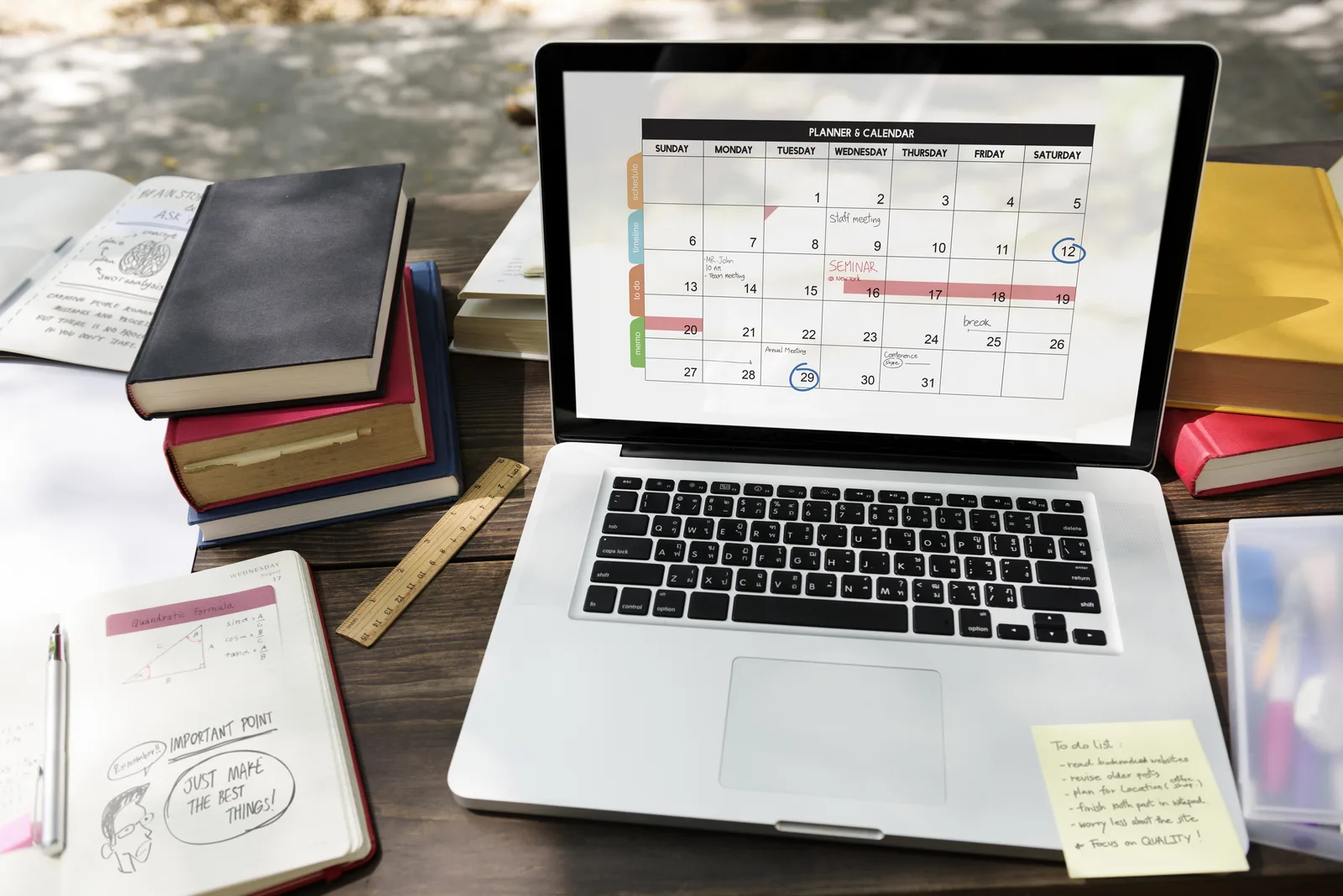

Before every winter break, separated parents start asking the same questions. Who has the children on Christmas Eve? What does the order say about the school break? What happens if the other parent does not follow it?
For a family law firm, those questions are some of the most useful family law content ideas of the year. They come from real worry, they repeat every year, and a clear answer for the firm’s own state can reach a parent at the moment they need it.
The posts below work best published before the school break begins, and reviewed by a lawyer who knows the state’s practice.
Strong holiday custody content answers what parents ask before winter break: who has the children, what the order says, and what to do when plans change.
Build each post on the firm’s own state rules and court forms, such as California’s holiday schedule attachment. Google’s guidance asks whether content is written or reviewed by someone who knows the topic well.
The Questions Parents Ask Before Winter Break
Holiday questions can be sorted into a few groups: how holidays are divided, how the school break is split, what to do when the other parent will not cooperate, and whether a parent can travel with the children. Each group can become its own post, its own FAQ answer, or a section on the custody practice area page.
The key is to answer for the firm’s state. A parent in Michigan and a parent in California may get different answers to the same question.
Five Content Ideas for the Season
1. How the holiday schedule in a custody order works
A post that walks through how holiday time usually fits around the regular schedule, using the firm’s state forms, answers the first question most parents have.
2. How winter break is split in the firm’s state
Some orders divide winter break between parents. A post that explains the common ways a break can be shared, and points parents to their own order, helps them plan before the last day of school.
3. What to do when the other parent will not follow the holiday schedule
The post should explain the general process in the firm’s state for raising the issue with the court, without promising an outcome, and invite the parent to call.
4. Holiday travel questions
Parents ask whether they can take the children out of state or out of the country for the holidays. The answer depends on the order and the state, so this post should explain where to look in the order and when to get advice first.
5. A refresh of the custody FAQ page
The firm’s existing custody FAQ page can carry short holiday answers that link to the longer posts. Each answer should open with a direct reply, the same habit behind family law FAQ content that works in AI answers.
Using a Court Form as the Source
Court forms make strong sources for this kind of content, because they show how courts in that state frame holiday time. California’s FL-341(C), the Children’s Holiday Schedule Attachment, lists holidays and breaks that parents can divide, including Thanksgiving Day, Thanksgiving weekend and the December/January school break.
The form also carries a note worth explaining to parents: “Unless specifically ordered, a child’s holiday schedule order has priority over the regular parenting time.” The California Courts Self-Help Guide says parents can use the form to propose a holiday plan, and courts can use it to record their orders after a hearing.
A firm outside California should find its own state’s forms or guidelines and build from those. The same seasonal approach works in other practice areas too, as with seasonal content ideas for personal injury firms.
A People-First Check Before Publishing
Holiday custody posts are written for worried parents, not for search engines. Google’s guidance puts it this way: “People-first content means content that’s created primarily for people, and not to manipulate search engine rankings.”
Google also asks site owners to consider: “Is this content written or reviewed by an expert or enthusiast who demonstrably knows the topic well?” For family law, that means a lawyer at the firm reviews each post and the byline shows who wrote or reviewed it.
Frequently Asked Questions
A family law firm should publish holiday custody content before the school winter break starts, so parents find it while they are still planning. Updating the same posts each fall keeps them accurate for the next season.
Holiday custody posts should be state-specific, because custody rules, forms and court processes differ by state. A post built on the firm’s own state forms gives parents an answer they can use.
A family law blog post can explain a court’s holiday schedule form, such as California’s FL-341(C), as long as it describes the form accurately and tells parents to read their own order.
A family law firm can reuse holiday content each year by reviewing each post every fall, checking any rule or form changes, and updating the post rather than publishing a near copy.
- Holiday custody questions repeat every year, which makes them reliable family law content ideas.
- Answer for the firm’s own state, using its court forms and guidelines.
- California’s FL-341(C) notes that a holiday schedule order has priority over regular parenting time unless ordered otherwise.
- Have a lawyer review each post, and show who wrote or reviewed it.
Turning Holiday Questions Into Family Law Content Ideas
The best family law content ideas often come from the questions parents ask every year. Before winter break, those questions are about holiday schedules, school breaks, disputes and travel. A firm that answers them clearly for its own state, reviews each post with a lawyer and updates the posts every fall builds a set of pages that stay useful season after season. Start with the questions the intake team hears most in November and December.
Lexicon’s legal content experts write seasonal family law posts and FAQ answers through Lexicon’s legal blogging service. Call (877) 486-8123 to plan your firm’s holiday posts.